
Advancing the paradigm and visibility of pharmacy practice research
- 20-22th June, 2024
- University of Basel, Switzerland
A key topic will be the Granada Statements that were recently published simultaneously in 12 journals. How can researchers contribute to strengthening the reporting of pharmacy practice as a discipline? Shane Desselle, co-author and editor-in-chief at Elsevier will shape an answer.
During workshops, participants will be invited to reflect on their own research and share their experience.
We will have much to celebrate with the 30th anniversary of the PCNE association that was founded in 1994 AND the 20th anniversary of the pharmacists’ reference journal Research in Social and Administrative Pharmacy (RSAP) that was launched in 2004. Don’t miss our social event with the boat trip and the dinner on the Rhine!
For any questions: info@pcne.org
The organisation of the symposium is supported by pharmaSuisse, the Swiss association of pharmacists; the journal Research in Social and Administrative Pharmacy (RSAP), the State Chancellery of City of Basel; TopPharm, the grouping of independent community pharmacies; OFAC the professional cooperative society of Swiss pharmacists; Tillots Pharma AG, BWT Best Water / Reusable tritan water bottle
Gold Sponsor
Silver Sponsor

Bronze Sponsor




Foppe van Mil Memorial Lecture (Keynote lecture 1):
Friday 21 June 2024. 09:00 - 09:45
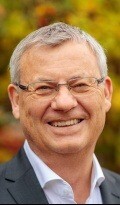
Prof. Martin Schulz, RPh, PhD, FFIP, FESCP, Managing Director, Department of Medicine, ABDA, Germany
Cardiovascular diseases (CVD) are the number one cause of death globally. CVD are often accompanied with comorbidities and, therefore, with multiple drug regimens. Drug-related morbidity and mortality due to drug-related problems represent a serious problem in these patients. The evidence for pharmacist-led/pharmaceutical care in hypertension, CVD risk reduction and, at least in part, in chronic heart failure, dyslipidemia, and diabetes is compelling. However, unmet needs in CVD e.g., (primary) medication non-adherence, guideline inertia (lack of implementation of and persistence to evidence-based pharmacotherapy), or uncontrolled blood pressure persist. On the other hand, and apart from widespread implementation of clinical pharmacy services in daily routine, both precision and population approaches are required and need further evaluation.
Keynote lecture 2:
Friday 21 June 2024. 14:00 - 14:45
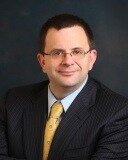
Prof. Shane P. Desselle, RPh, PhD, FAPhA, Touro University California; Editor,Research in Social and Administrative Pharmacy
The study of disciplinary progress is a fascinating one; that is, the extent to and rate at which disciplines or areas/fields of study advance their scientific paradigm. Scientific paradigm can be expressed as the degree to which its constituent scholars agree on the primary areas of research to inquire, the most appropriate methods and best practices by which to conduct the research, and the most salient issues to teach students (future practitioners) in the field. The concept of scientific paradigm anchored a meeting of editors that produced the Granada Statements, co-published in a dozen international journals in pharmacy practice/social pharmacy. The “Granada Group” of journals has tossed aside ideas of competition and instead, embraced collaboration. The Granada Statements identified key actions for readers, researchers, editors, publishers, and various decision-makers to advance the scientific paradigm of pharmacy practice.
Keynote lecture 3:
Saturday 22 June 2024. 11:15 - 12:00
Prof. Eric van Ganse, MD, PhD, FRCP; Epidemiologist; Claude-Bernard University , Lyon (France)
Over the last decades, many healthcare data (HCD) have been largely digitalized, from General Practitioners Records to Community Pharmacists Dispensations. As a rule, digitalization started « bottom up », typically initiated by local groups of HCPs in interaction with IT companies. Nowadays, often as a result of « Payors » initiatives, healthcare data are linked at patients’ level, and histories of longitudinal care of large populations become available for research. We shall discuss general attributes of healthcare datasets (pros and cons) and some recent developments, focussing on the role that community pharmacists could play in enriching HCD.
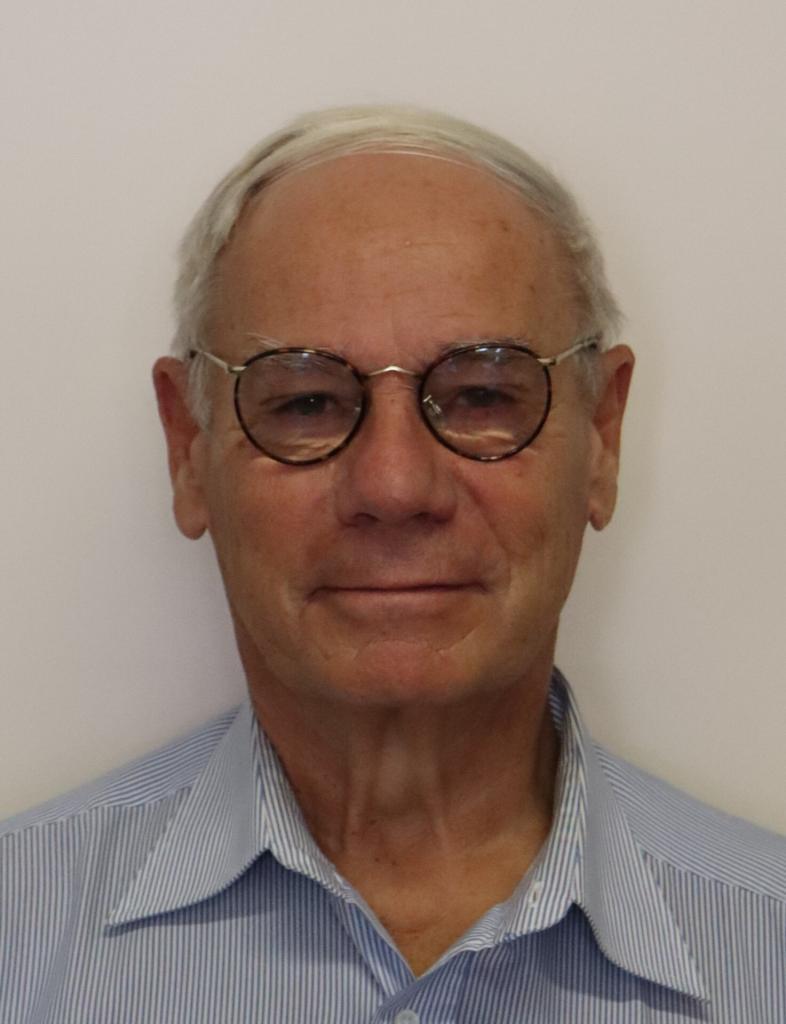
Workshop 1 & 6: Cultivating Cohesian: Building a strong research team
Workshop Facilitators:
- Rhonda Clifford, Perth, University of Western Australia
- Liza Seubert, Perth University of Western Australia
- Julie Loveny, Perth, University of Western Australia
We invite you to a transformative workshop that combines real-world research insights with practical strategies for forming an exceptional team. In this hands-on workshop you’ll apply insights from research of the UWA Pharmacy team directly to your own team-building strategy. This process will provide a strong foundation to foster a strong cohesive team that can tackle complex challenges.
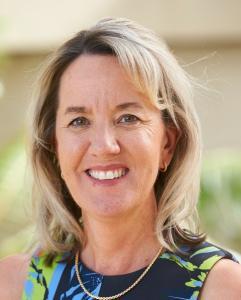
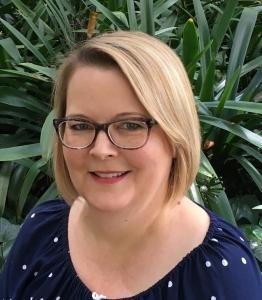
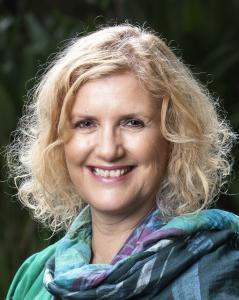
Workshop 2 & 7: From Guidelines to Quality Indicators: Pharmaceutical Care for Diabetes Type 2 in a Global Context
Workshop Facilitators:
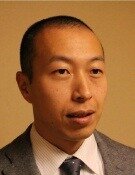
- Dr. Kenji Fujita, The University of Sydney, Kolling Institute, Australia
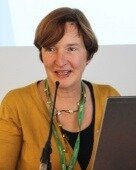
- Dr. Kjell Halvorson, UiT The Arctic University of Norway, Norway
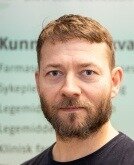
- Dr. Martina Teichert, Leiden University, Netherlands
The PCNE working group on Guidelines & Indicators has developed and published a definition of Quality Indicators for Pharmaceutical Care. (PhC). (Fujita K. et al, 2023) Subsequently,
the working group has completed extracting national guideline recommendations for pharmaceutical care to Diabetes Type 2 patients (DM2) from >10 countries, aiming for the development of a ‘core set’ of quality indicators (QIs) for DM2 in community pharmacies in these countries. In this stage, those recommendations need to be translated into QIs.
Learning objectives
After this workshop the participants will be able to:
- explain the definition of QIs for PhC and their development process
- translate guideline recommendations into QIs
- get insight into the measurement properties of QIs and the validation process
Activities
During the workshop the participants will:
- understand the achievements of this working group and the ongoing project
- be involved in the translation of guideline recommendations into QIs
- discuss the timing for assessing each measurement property of potential QIs, such as feasibility and applicability. This discussion will consider whether these properties should be assessed during an expert panel or a pilot study based on the participants’ experience and knowledge across different countries.
Targeted workshop participants
This workshop is open to anyone, including higher degree research students, who are interested in measuring and improving quality of care can join in this workshop. After the workshop, participants will have the opportunity to join our working group.
Workshop 3 & 8: Beyond Version 9.1: Shaping the Future of PCNE DRP Classification
Workshop Facilitators:
- Tommy Westerlund, Sweden
- Ina Richling, Germany
- Nejc Horvat, Slovenia
Description and aim:
Over the past few years, several validation studies have been conducted on the PCNE DRP classification, leading to the evolution of the classification from version 7 to the current version 9.1. Throughout these studies, numerous proposals for classification changes were put forward. These recommendations will be presented, deliberated upon, and subject to a vote. The objective is to enhance the classification in accordance with agreed-upon improvements, ultimately leading to the development of either v9.2 or v10.

Workshop 4 & 9: Adherence: Before the start of the study - Training community pharmacists who will recruit patients and defining the minimal core set of collected data
Workshop Facilitators:
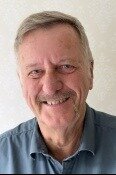
- PD Dr. Isabelle Arnet, University Basel, Switzerland
- Dr. Christiane Eickhoff, ABDA, Germany
The 15-STARS questionnaire has been developed to screen for adherence difficulties in ambulatory patients. It tackles modifiable determinants. When planning a study with community pharmacists who will use the 15-STARS, investigators need to train the pharmacists who will recruit the patients and collect the data. In this workshop, we will delineate the major elements that need to be ready before the study can start.
We will:
- recap the purpose and the use of the 15-STARS questionnaire,
- define the material needed to train the pharmacists who will run the study,
- define the minimal data to collect that will enable a pooling of results from several countries.
Participation to prior workshops is not needed.
Workshop 5 & 10: Artificial Intelligence and Machine Learning in Pharmaceutical Care Research and Practice
Workshop Facilitators:
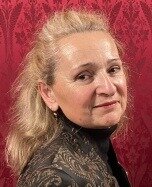
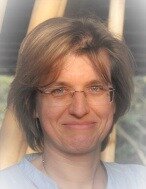
- Prof. Kreshnik Hoti, Kosovo
- Prof. Mitja Kos, Slovenia
This is an educational workshop.
Background:
This workshop is your gateway to understanding how artificial intelligence and machine learning can drive improvements in patient safety and effective healthcare services delivery. It is about innovating pharmaceutical care practices to meet the demands of our evolving world. We recognize the importance of demystifying these technologies and making them accessible, not just to data scientists and technologists, but to healthcare professionals, researchers, and practitioners.
The aim of the workshop is:
- To provide a foundational understanding of artificial intelligence in healthcare research and practice.
- To engage participants in a hands-on experience in machine learning.
- To discuss practical applications of machine learning in pharmaceutical care practice
Learning objectives:
- To understand the potential and functions of artificial intelligence.
- To acquire the ability to employ fundamental machine learning techniques.
Activities in the workshop:
- Activity 1: Introduction to AI in Healthcare (Presentation and Discussion): Participants will be introduced into the fundamental concepts and principles of artificial intelligence, key components, and its developing role in healthcare research and practice.
- Activity 2: Hands-on Machine Learning (Practical Exercise): Through interactive activities and discussions, we will engage you in a hands-on experience with machine learning, providing the practical skills you need to harness the power of data-driven decision-making.
- Activity 3: Discussion on machine learning applications in Pharmaceutical Care (Group Discussion):Participants will be asked to brainstorm and discuss potential applications of machine learning in a series of case studies to get an insight into the transformative impact these technologies can have on patient care.
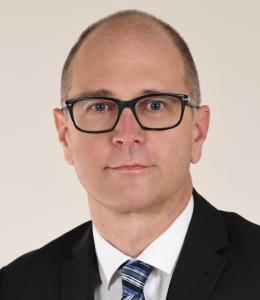
Expert courses – Program Thursday 20th June 2024
12.00-13.00
Registration
Biozentrum Hall U1
13.00-17.00
Expert course 1: “I have data to publish – How to proceed and choose the appropriate journal?” Ema Paulino (Portugal) + Filipa da Costa (Portugal)
Room U1-195
13.00-17.00
Expert course 2: The Granada statements 2022 – What does this mean to my research?
Shane Desselle (USA)
Room U1.193
13.00-17.00
Expert Course 3: How to submit a successful grant?
Jacqueline Hugtenburg (Netherlands) + Mara Guerreiro (Portugal)
Room U1.191
15.00-17.00
Parallel mini symposium: PCN-Switzerland “smarter medicine” – in German
(Separate registration: www.pcn-s.ch)
Lecture Room
Kollegiengebäude Petersplatz 1, Room 115
17.30-19.00
Welcoming ceremony incl. food and drinks, networking with Newcomers
Participants of PCN-Switzerland joining
Wildt’sches Haus
Symposium – Program Friday 21th June 2024
8.00
Registration
Biozentrum Hall U1
8.30-9.00
Opening
Lecture Room U1.131
9.00-9.45
Foppe van Mil lecture – Martin Schulz (Germany)
Lecture Room U1.131
9.45-10.00
Coffee break + transfer to the WS rooms
Hall U1
10.00-13.00
WS1: Cultivating cohesion: Building a strong research team –
Ronda Clifford, Liza Seubert, Julie Loveny (Australia)
Room 01.004
10.00-13.00
WS2: Training community pharmacists who will recruit patients and defining the minimal core set of collected data – Isabelle Arnet (Switzerland), Christiane Eickhoff (Germany)
Room U1.197
10.00-13.00
WS3: Beyond version 9.1: Shaping the future of PCNE DRP classification –
Tommy Westerlund (Sweden), Ina Richling (Germany), Nejc Horvat (Slovenia)
Room U1.195
10.00-13.00
WS4: From guideline to quality indicators – Pharmaceutical Care for diabetes 2 in a global context – Martina Teichert (Netherlands), Kenji Fujita (Australia), K Halvorsen (Norway)
Room U1.193
10.00-13.00
WS5: Artificial intelligence and Machine learning in Pharmaceutical Care research and practice – Mitja Kos (Slovenia), Kreshnik Hoti (Kosovo)Room U1.191
13.00-14.00
Lunch
PCNE Soapbox (members only) incl. lunch
Hall U1
Room 01.004
14.00-14.45
Keynote lecture 2 – Shane Desselle and the Granada statements 2022
Lecture Room U1.131
15.00-16.00
Poster walking tour
Hall U1 / O1 / O2
16.00-16.15
Coffee break
Hall U1
16.15-17.15
Oral communications 1-6 (8 min each)
Lecture Room U1.131
17.30-20.00
PCNE General Assembly (members only)
Lecture Room U1.131
20.00-23.00
PCNE Networking event (separate registration) + 20th anniversary RSAP
Rhine boat
Symposium – Program Saturday 22th June 2024
08.00-11.00
WS1: Cultivating cohesion: Building a strong research team
Ronda Clifford, Liza Seubert, Julie Loveny, Australia
Room U1-197
08.00-11.00
WS2: Training community pharmacists who will recruit patients and defining the minimal core set of collected data – Isabelle Arnet (Switzerland), Christiane Eickhoff (Germany)
Room U1.195
08.00-11.00
WS3: Beyond version 9.1: Shaping the future of PCNE DRP classification – Cancelled
08.00-11.00
WS4: From guideline to quality indicators – Pharmaceutical Care for diabetes 2 in a global context – Martina Teichert (Netherlands), Kenji Fujita (Australia), K Halvorsen (Norway)
Room U1.193
08.00-11.00
WS5: Artificial intelligence and Machine learning in Pharmaceutical Care research and practice – Mitja Kos (Slovenia), Kreshnik Hoti (Kosovo)
Room U1.191
11.00-11.15
Coffee break + transfer to lecture hall
Hall U1
11.15-12.00
Keynote Lecture 3 –Eric van Ganse (CHU Lyon)
Lecture Room U1.131
12.00-13.00
Closing session, incl. awards for poster and oral
Lecture Room U1.131
13.00-14.00
Lunch bag and bye bye
Hall U1
Expert Course 1: I have data to publish - How to proceed and choose the appropriate journal?
Moderators:
- Ema Paulino (Portugal)
- Filipa da Costa (Portugal)
Once a study has been conducted, it is time to inform the scientific community of the findings. Especially in the biomedical field, there are certain conventions for sharing the results. The selection of the publishing platform is an important step, as there are some factors to consider when choosing a journal (impact factor, audience, scope, etc.).
This expert course aims to empower researchers with the knowledge and tools necessary to navigate the complex process of publishing data effectively, and choosing the right journal to maximize the impact of your research.

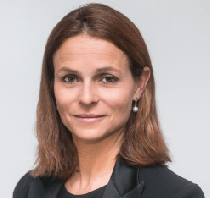
Expert Course 2: The Granada statements 2022 - What does this mean to my research?
Moderator: Shane P. Desselle, RPh, PhD, FAPhA (USA)
The study of disciplinary progress is a fascinating one; that is, the extent to and rate at which disciplines or areas/fields of study advance their scientific paradigm. Scientific paradigm can be expressed as the degree to which its constituent scholars agree on the primary areas of research to inquire, the most appropriate methods and best practices by which to conduct the research, and the most salient issues to teach students (future practitioners) in the field. The concept of scientific paradigm anchored a meeting of editors that produced the Granada Statements, co-published in a dozen international journals in pharmacy practice/social pharmacy.
The “Granada Group” of journals has tossed aside ideas of competition and instead, embraced collaboration. The Granada Statements identified key actions for readers, researchers, editors, publishers, and various decision-makers to advance the scientific paradigm of pharmacy practice.
Shane Desselle
This expert course will review what that means for prospective authors in regard to best practices, what the journals are looking for, what sort of practices and types/areas of research we are discouraging, in addition to identifying the collaborations between the Granada Group of journals that should make it clearer and potentially easier to publish in any one of our journals, more clearly demarcating the similarities and differences among the journals, and providing greater assistance to authors in any number of ways, whilst the Group works on additional endeavors such as a pharmacy practice research glossary.
Discover how each and every one of you can play a part in advancing the field and making our research more visible and salient to persons outside our field.
Expert Course 3: How to submit a successful grant
Moderators:
- Jacqueline Hugtenburg (Netherlands)
- Mara Guerreiro (Portugal)
Academics need the skills to write winning grant applications to conduct research sustainably and maximise the societal benefit of science. Writing a good grant application is challenging but is a skill that can be perfected.
Real life examples will be presented and practical exercises in small groups will be performed, drawing attention to key issues, such as how to meet eligibility criteria and guidelines of the funding body.
This course will be delivered by researchers with an established track record in leading successful grant applications and is intended to help those less experienced in grant writing, to increase their likelihood of being funded.
Friday 21st June 2024 at 16:15 – 17:15
Chair: Prof. Marina Odalovic
16:15 – Healthcare providers’ perspectives on antidepressant discontinuation: a focus group study (731)
Samah Bouarfa
Amsterdam University Medical Centers UMC, location VUMC, Dept Clinical Pharmacology & Pharmacy, Amsterdam, The Netherlands
16:25 – Pharmacist Perspectives on Assisted Suicide: Unveiling Challenges & Improving Pharmaceutical Care (the PAS-Study) (679)
Stephanie Clemens
Institute of Pharmacy, Pharmaceutical Biology & Clinical Pharmacy, Paracelsus Medical University, Salzburg, Austria
16:35 – Drug-related problems during hospital-to-home transitions – first pharmacists´ perceptions of routine care (693)
Sophia Klasing
Heidelberg University, Medical Faculty, Dept. of Clinical Pharmacology and Pharmacoepidemiology, Cooperation Unit Clinical Pharmacy / Heidelberg University Hospital, Medical Clinic, Heidelberg, Germany
16:45 – Development of a Temporal Model for the Integration of Community Pharmacy and Primary Care: A Stakeholder-Driven Approach (665)
Celia Piquer-Martinez
Pharmaceutical Care Research Group, University of Granada, Granada, Spain.
16:55 – A Core Outcome Set for studies testing interventions to optimise medication use following hospital discharge – An international Delphi study (724)
Fabienne Boeni
University of Basel, Department of Pharmaceutical Sciences, Pharmaceutical Care Research Group, Basel, Switzerland
17:05 – Could a question prompt list activate patients in community pharmacy? A feasibility study (668)
Karin Svensberg
Department of Pharmacy
Uppsala University, Uppsala, Sweden