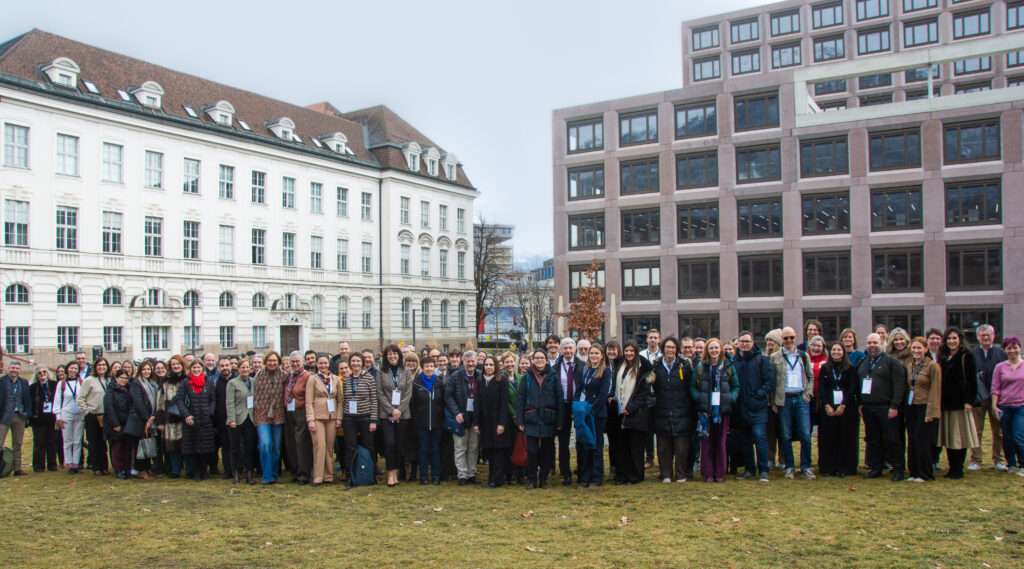
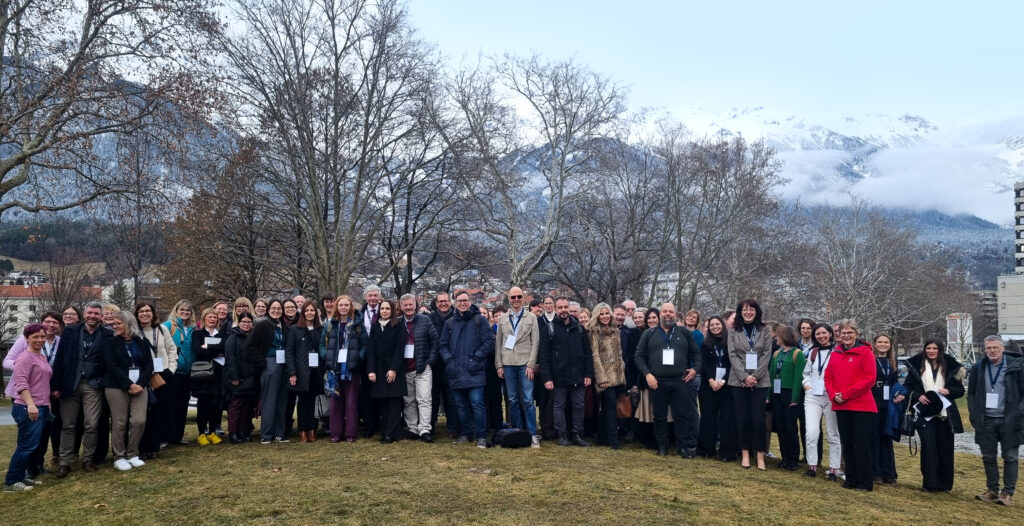
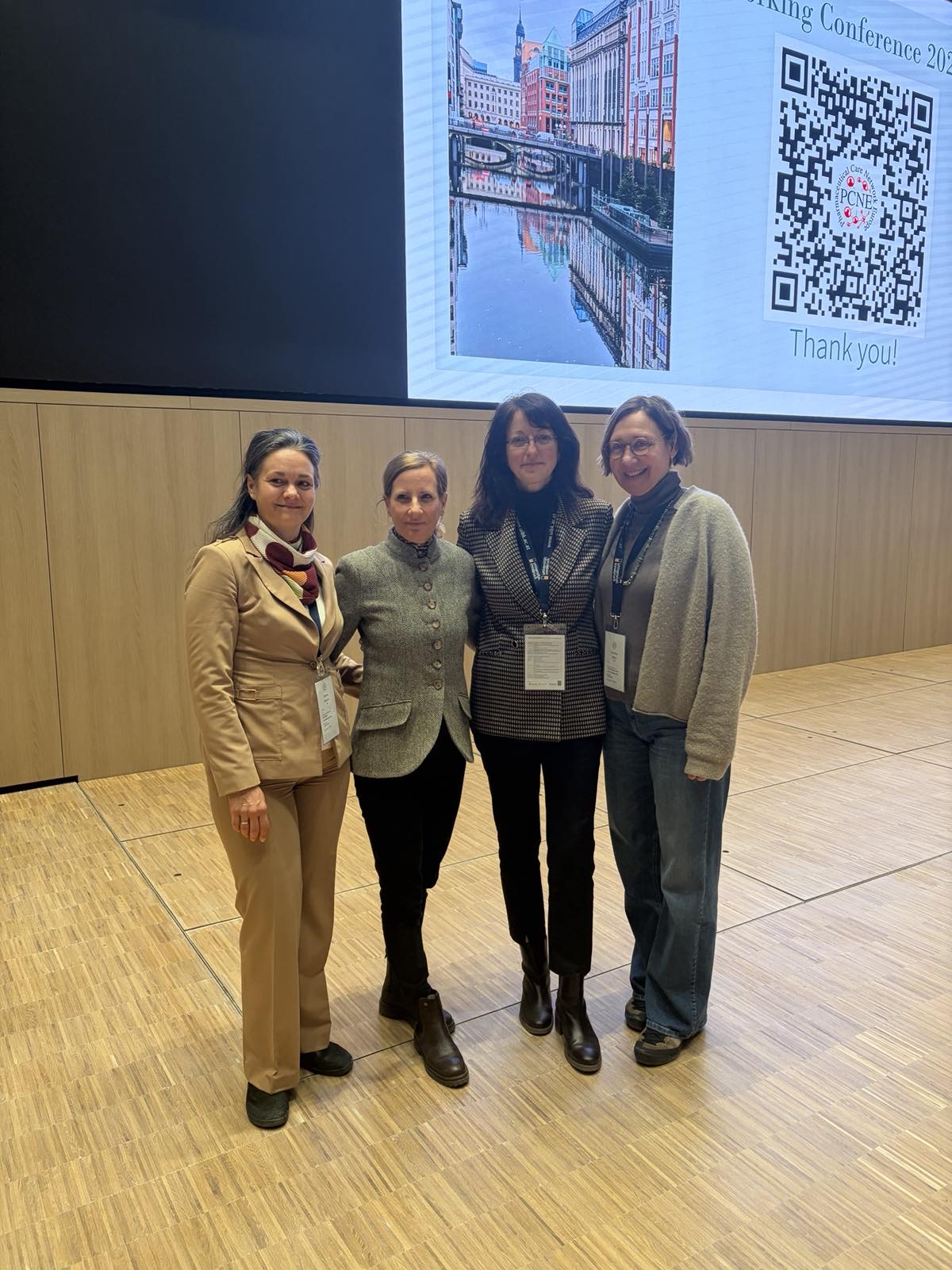
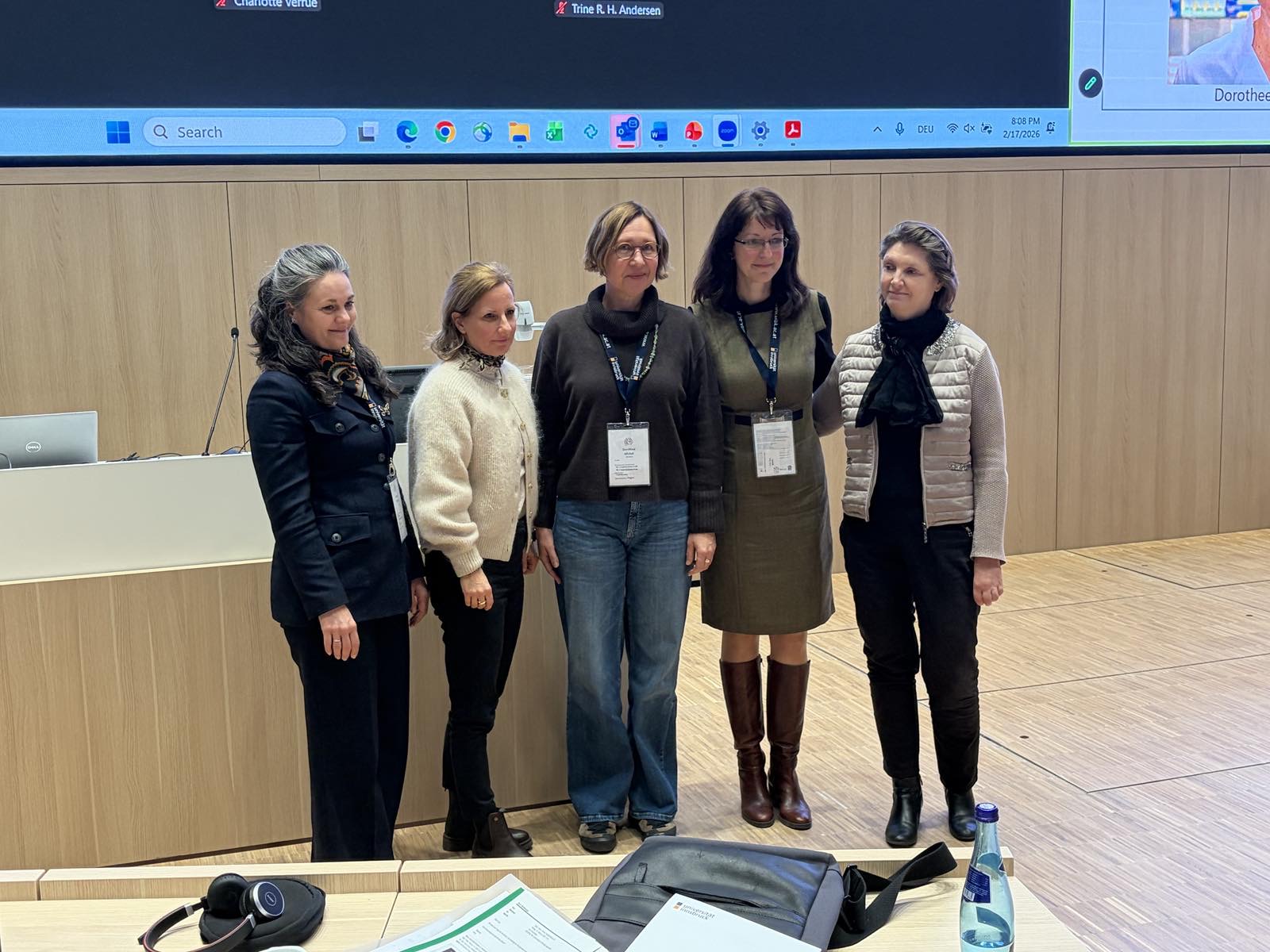
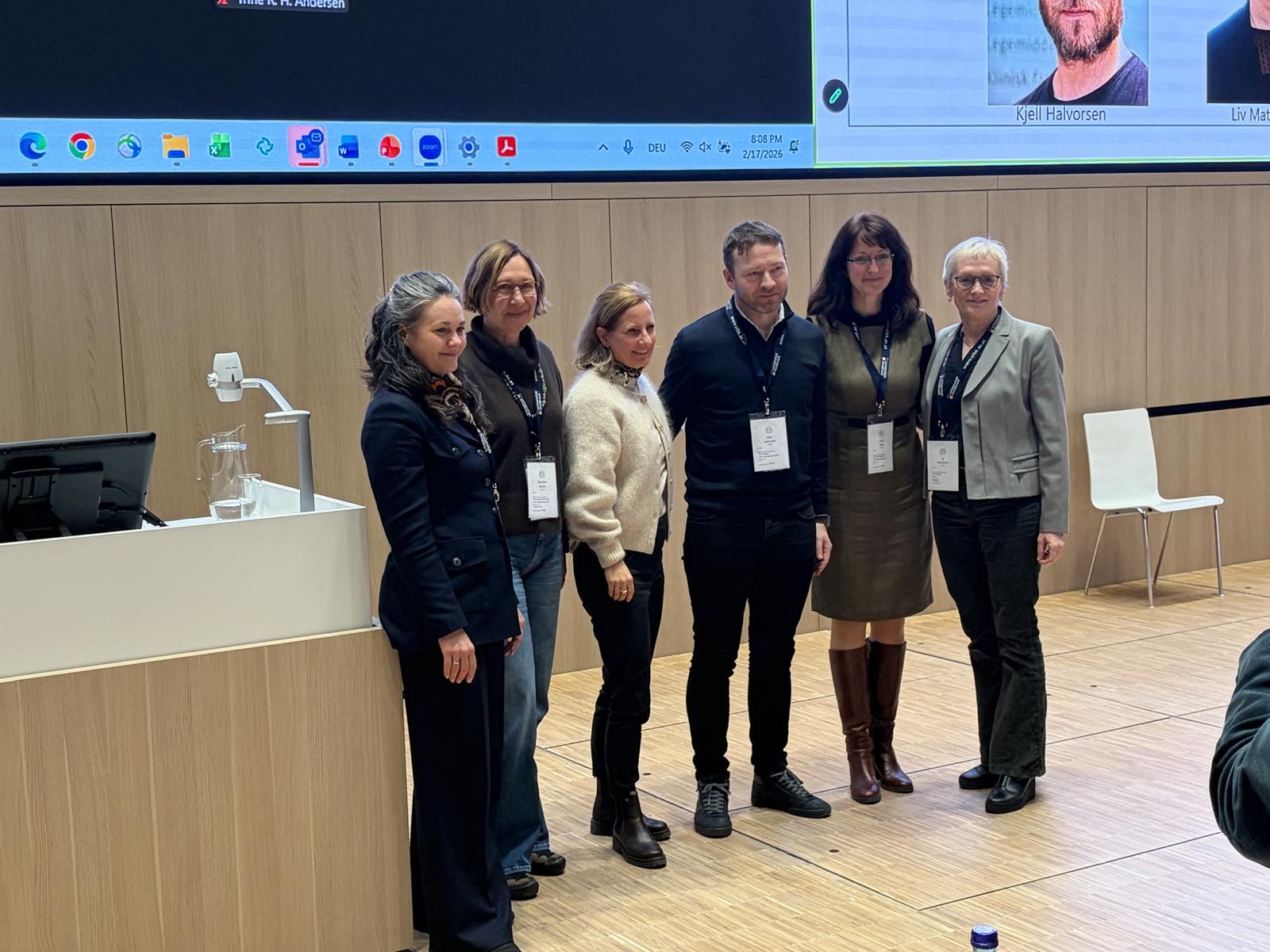
The 10th PCNE Working Symposium 2026 will take place in Innsbruck, Austria. The symposium will be held over 2 days:
- 17th February: Expert courses (in English) and Pre-symposium (in German) and the GA
- 18th February: The Working Symposium
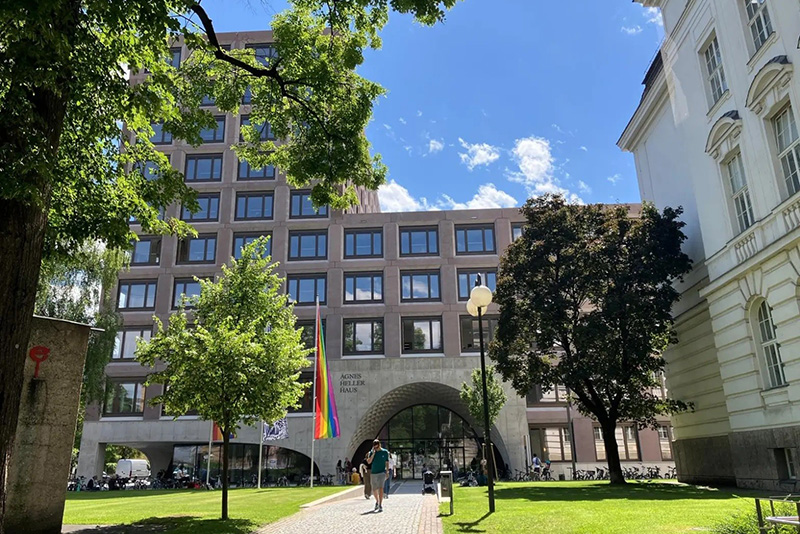
Venue: The conference will take place at the Innrain University Campus Ágnes-Heller-Haus (Innrain 52a, 6020 Innsbruck)

SPONSORS OF THE SYMPOSIUM:
Sponsor of the pre-symposium in the German language:

Sponsor of the best oral presentation:
Sponsor of the best poster presentation:

Sponsor of the publishing symposium abstracts:
We extend our sincere thanks to the University of Innsbruck for the support in organizing the symposium:

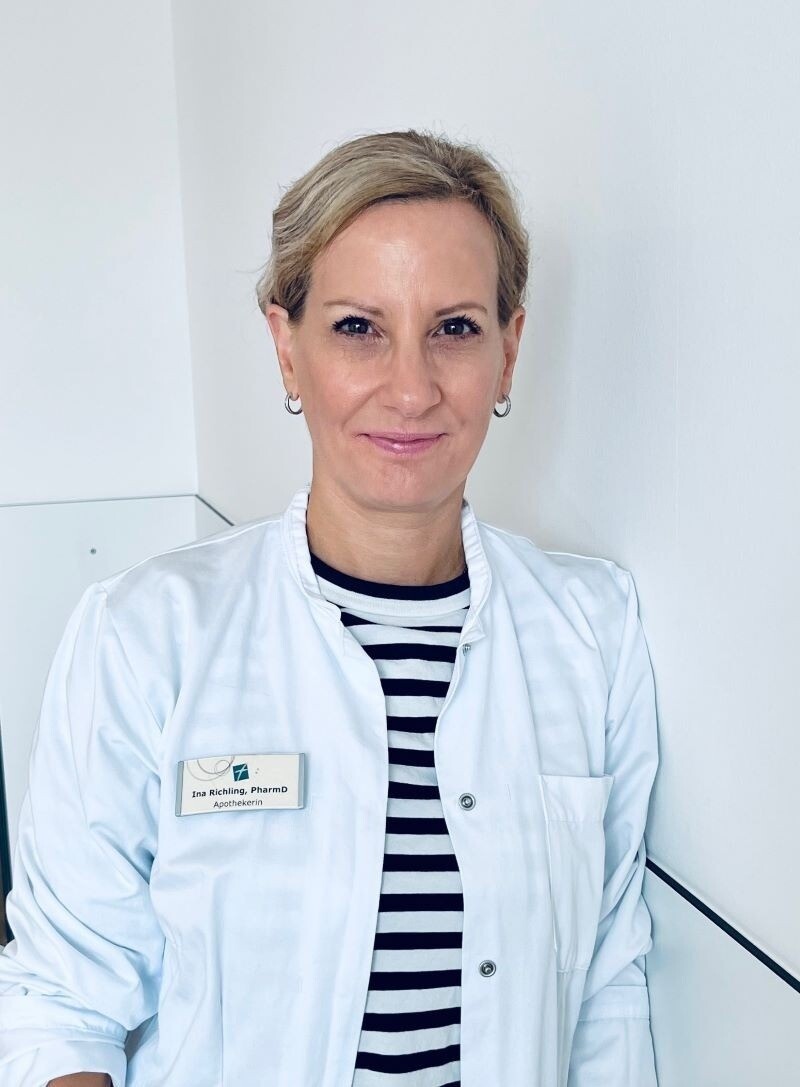
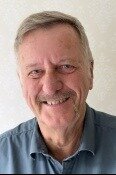
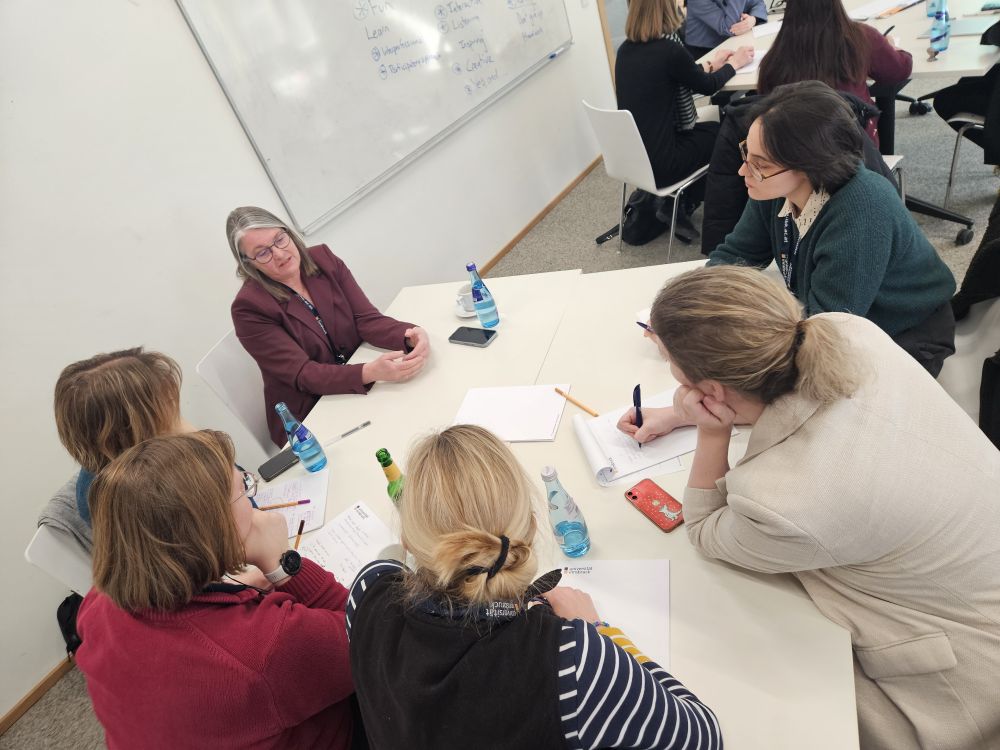
Workshop facilitators: Ina Richling, Tommy Westerlund, Prof. Nejc Horvat, University of Ljubljana, Slovenia
Aims:
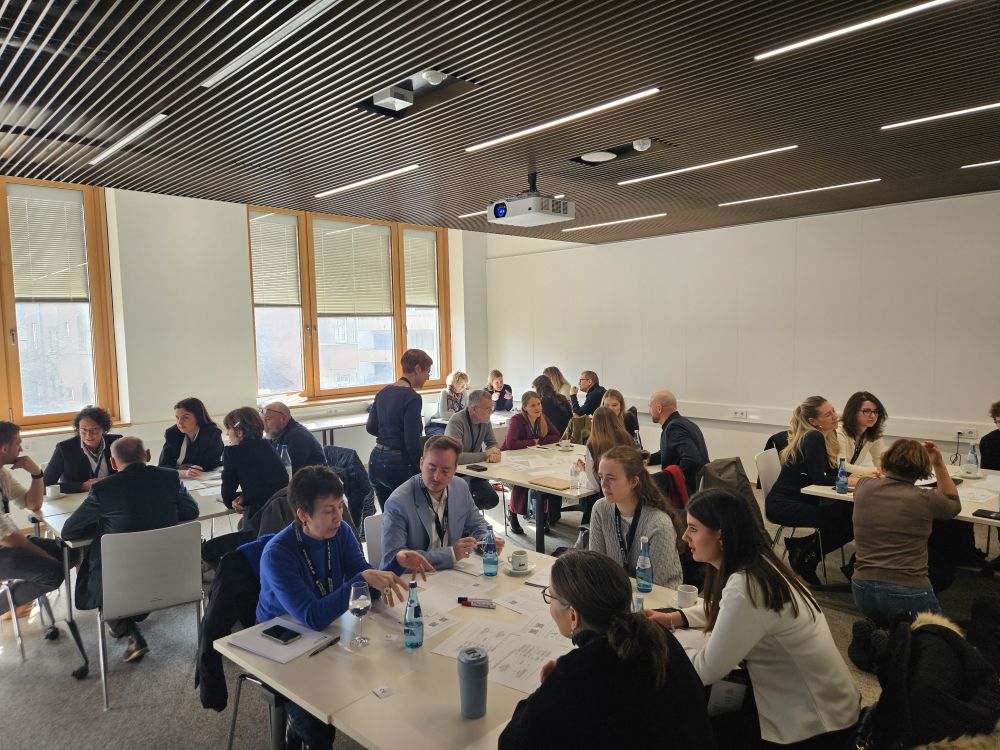
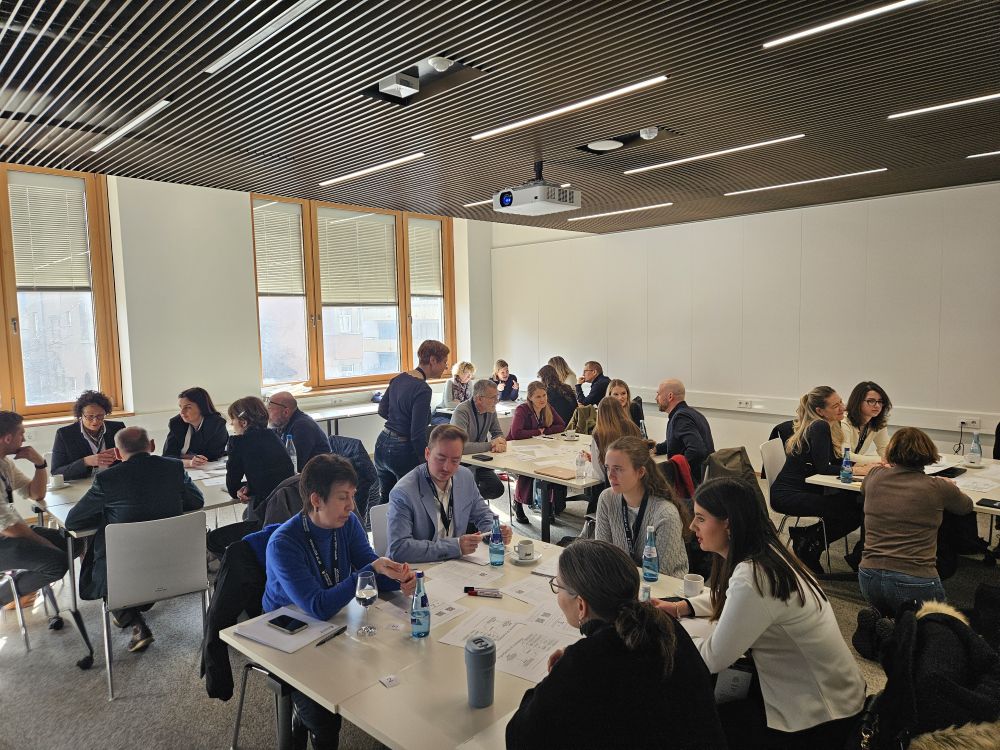
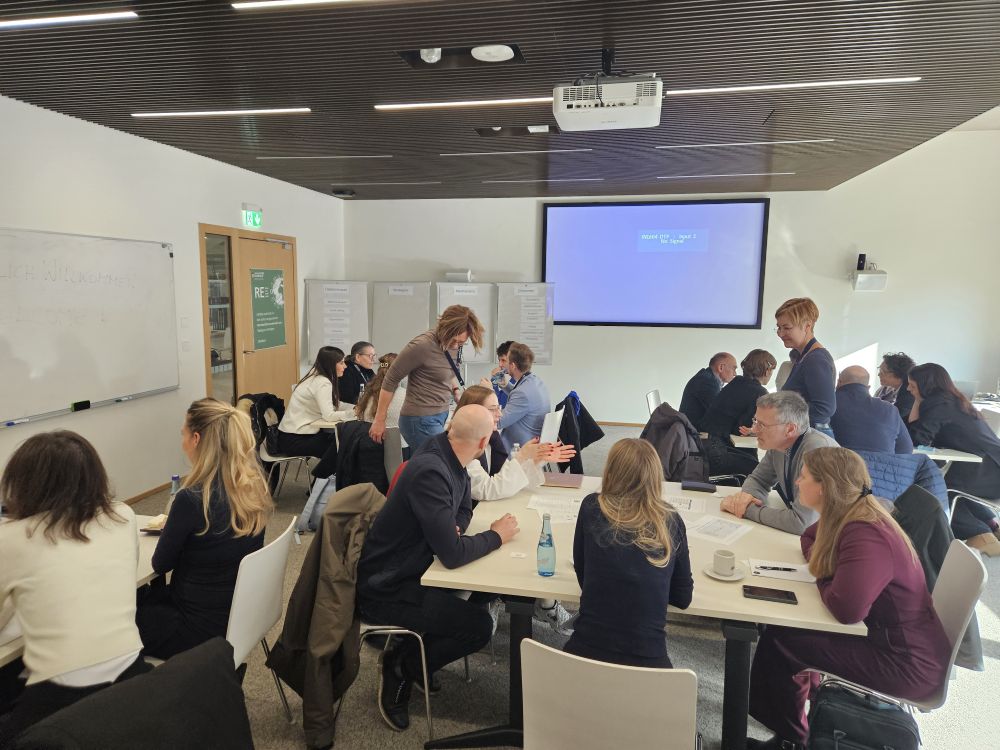
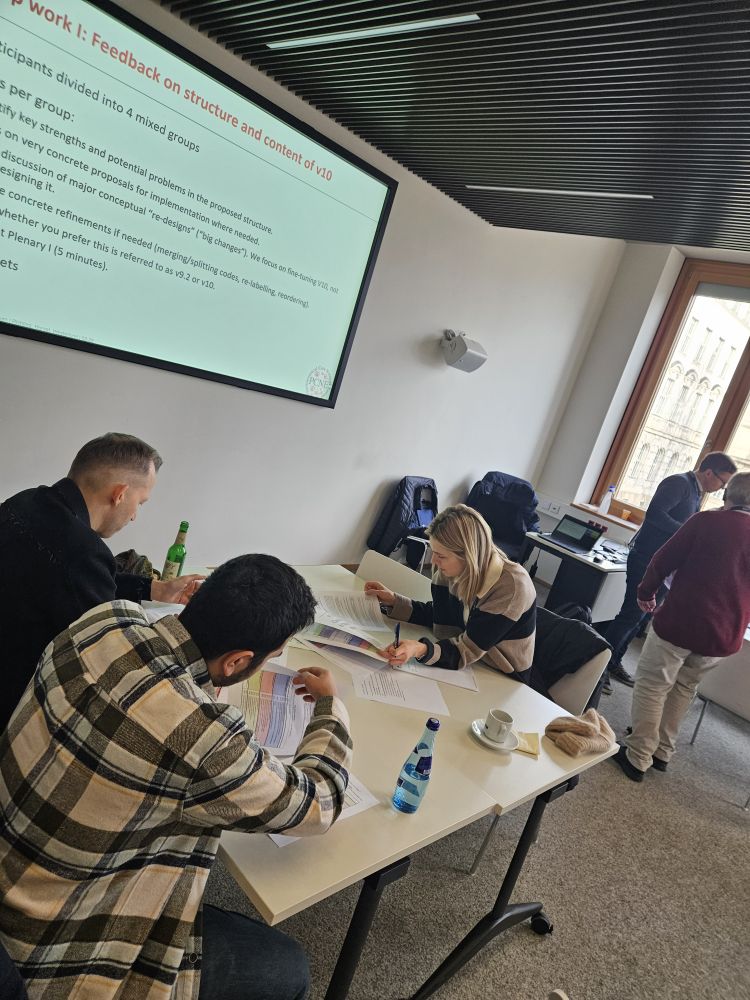
• To present and gather feedback on the proposed structure and content of PCNE Classification Version 10
• To begin drafting illustrative explanations and practical examples for selected codes, supporting their consistent interpretation and application
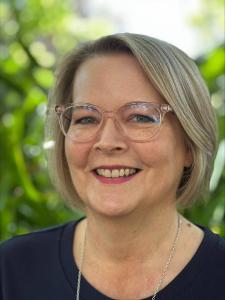
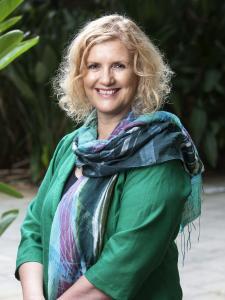
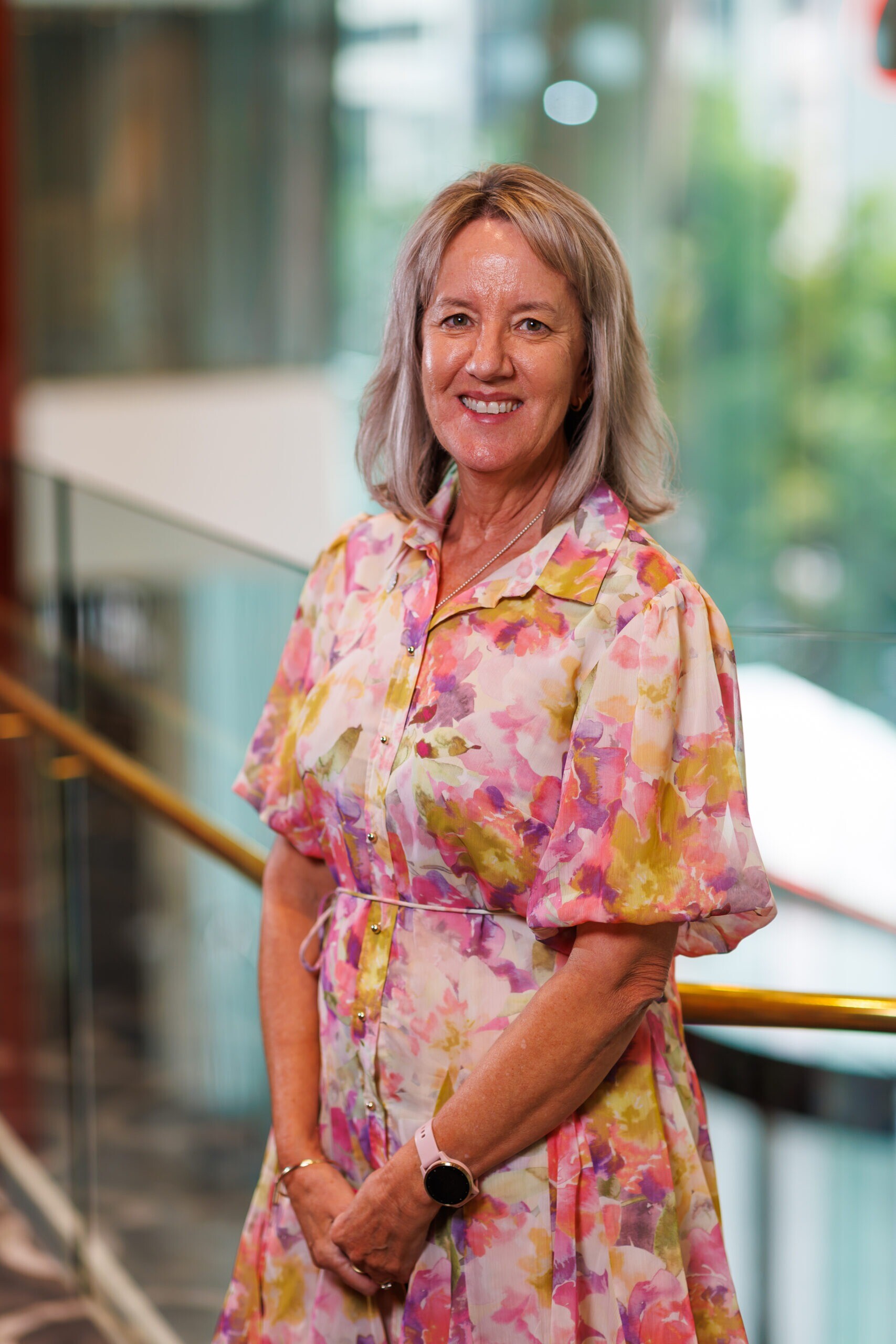
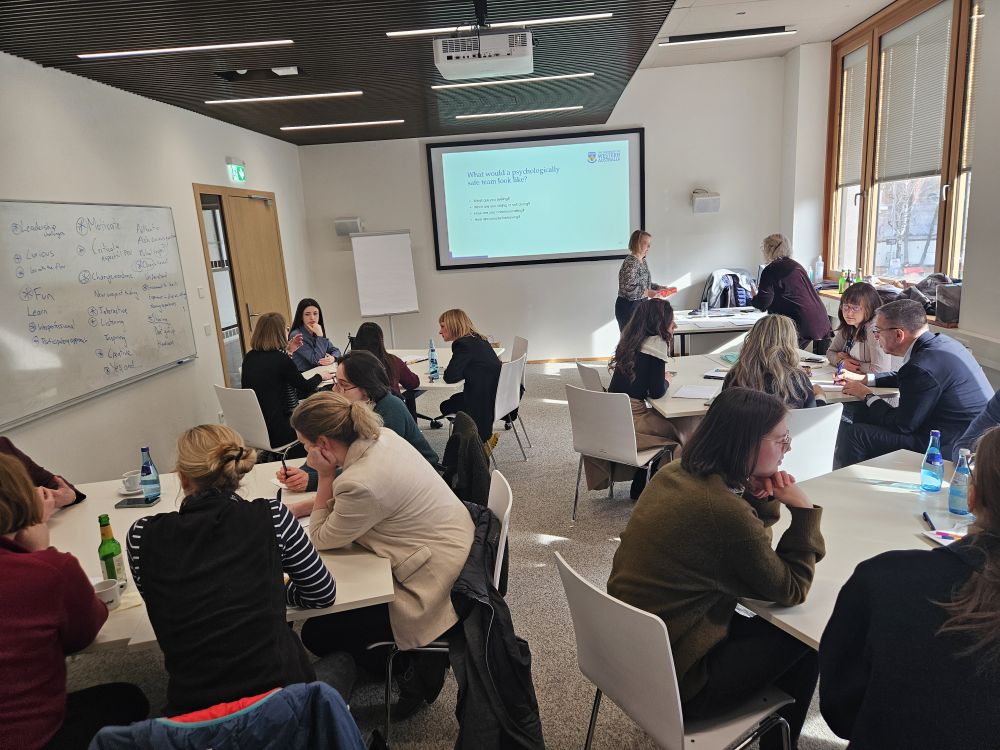
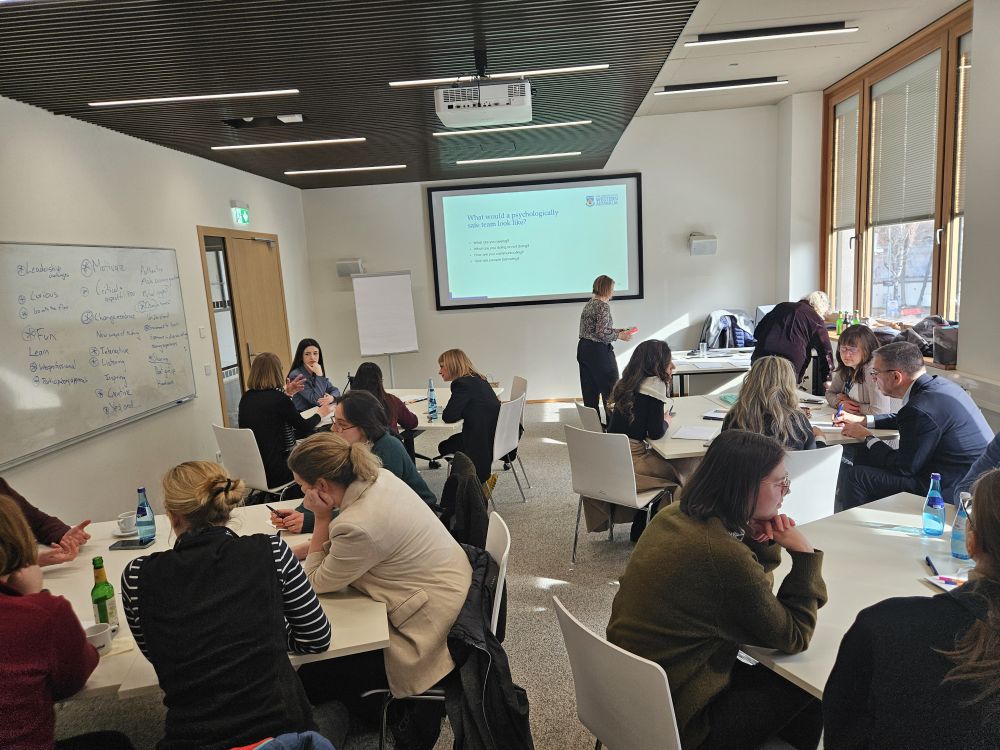
Workshop facilitators: Prof Liza Seubert, University of Western Australia, Julie Loveny, University of Western Australia, Prof Rhonda Clifford, University of Western Australia
Aim: This workshop aims to introduce participants to this innovative curriculum, which redefines resilience as a multidimensional construct. The program emphasizes the importance of building self-awareness and strong interpersonal connections as essential components of professional resilience.
Learning objectives: By the conclusion of the workshop, participants will have gained insights into evidence-based strategies that enhance both individual and collective resilience within the pharmacy profession and researchers. These strategies include emotional regulation, narrative reframing, and the establishment of supportive, psychologically safe work environments.

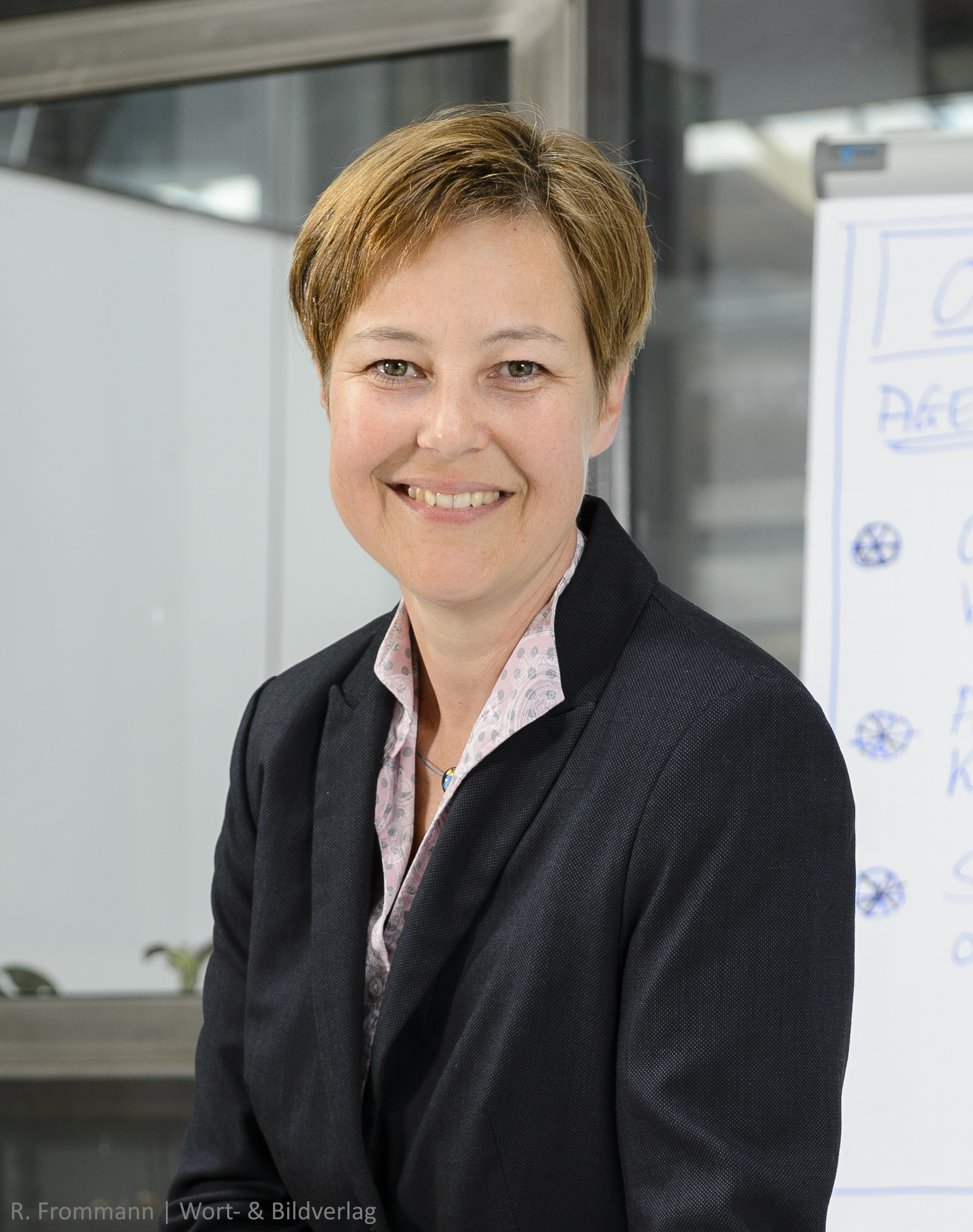
Workshop facilitators: Dr. Dorothee Michel, Markt Apotheke Eidelstedt, Hamburg, Germany, Robert Gordon University, Aberdeen, Scotland, Dr. Ayesha Iqbal, University of Alberta, Edmonton, Canada, Dorothee Dartsch, Markt-Apotheke Eidelstedt, Hamburg, Germany, Campus Pharmazie, Hamburg, Germany
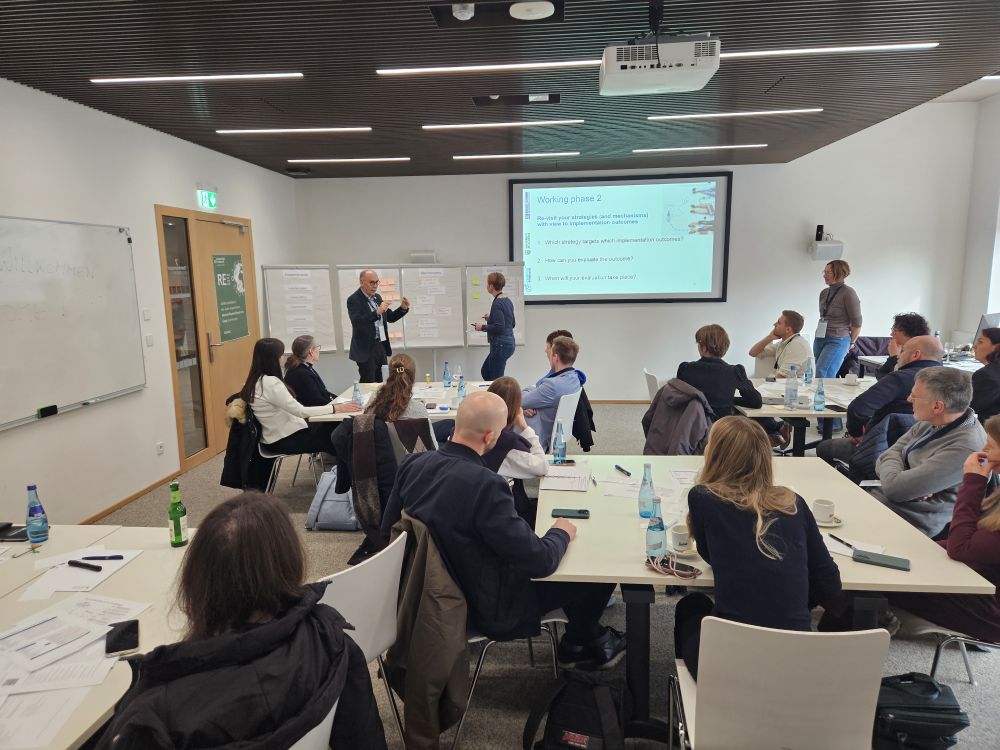
Aim: This workshop aims to provide participants with a basic understanding of implementation science and equip them with the knowledge and skills to apply it in their own research projects.
Learning objectives: Through a combination of a short lecture and using the example of “Implementation of Medication Reviews in Community Pharmacies” for activities, participants will generate drafts for future studies to forward the field.
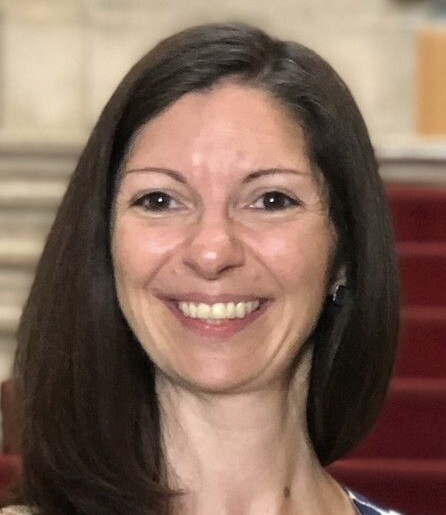
Workshop facilitators: João Pedro Gregório, Universidade Lusófona/CBIOS, Portugal, Melanie Maia, WHO Collaborating Centre on Health Workforce Policy and Planning, Global Health and Tropical Medicine, Universidade Nova de Lisboa. Portugal
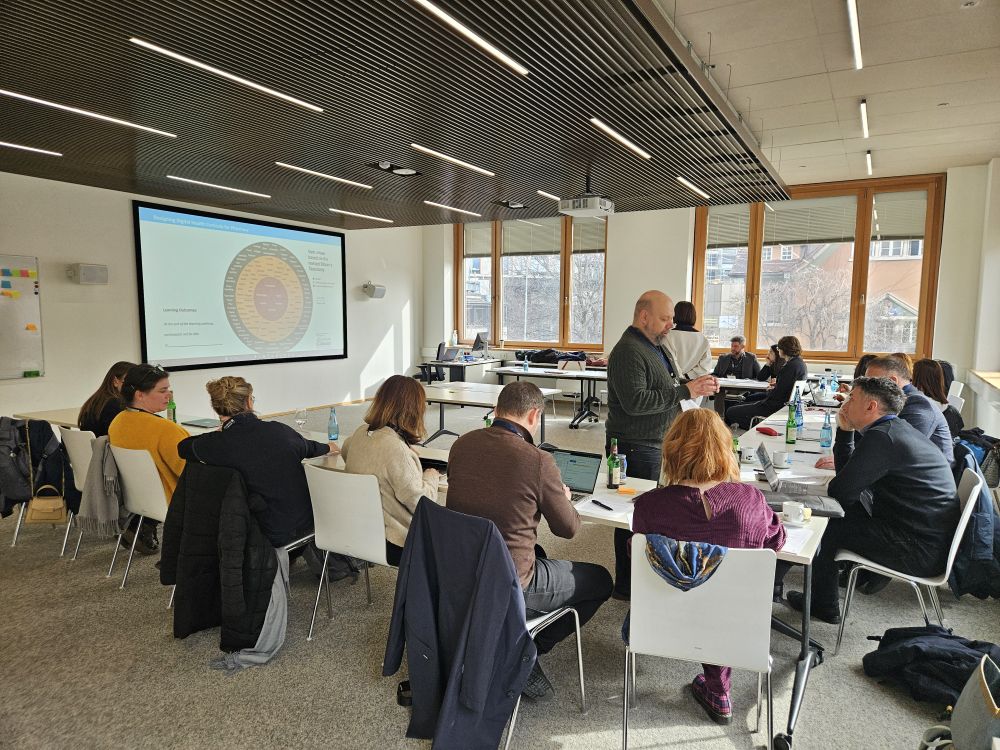
Aim: This workshop aims to engage PCNE members in co-developing the structure and content of a new curricular unit focused on digital health and pharmacy practice.
Learning objectives: During the workshop session, participants will:
1. Identify and map key digital health competencies relevant to future pharmacists in relation to concrete learning outcomes.
2. Leverage PCNE members’ experience to ensure a research-informed and implementation-ready design.
3. Draft a shared framework for a modular unit adaptable across pharmacy programs.
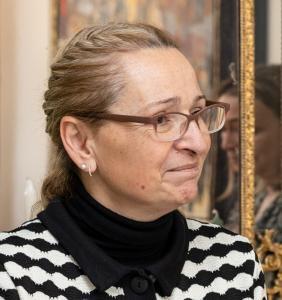
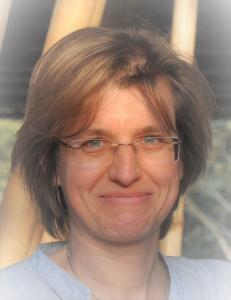

Working group “Adherence” leaders: Dr Isabelle Arnet, Medinform AG, Zurich, Switzerland, Dr Christiane Eickhoff, ABDA, Berlin, Germany,
Prof Hanna Seidling, University Hospital Heidelberg, Germany
The expert course is no longer available! Instead, the moderators will organize a virtual meeting for the active members of the working group “Medication Adherence” and those who are working with the 15-STARS. The meeting will be held on Tuesday, 17 February from 16:30 to 18:00. If you are interested in attending, please contact the chairs of the working group, Christiane Eickhoff (c.eickhoff@abda.de) and Isabelle Arnet (isabelle.arnet@unibas.ch).
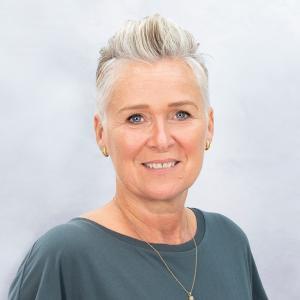
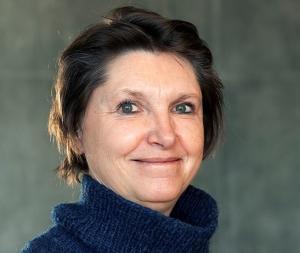
Workshop facilitators: Charlotte Rossing, Pharmakon Denmark; Susanne Kaae, University of Copenhagen
Background: A program in mentalizing has been developed for educated pharmacy staff in Denmark and in the Netherlands and later transformed in Sweden into training of pharmacy students.
Aim: In this workshop/ expert class we will introduce, practice and discuss core elements of mentalizing, for participants to explore if this counseling approach could be relevant also for pharmaceutical care in their national settings.

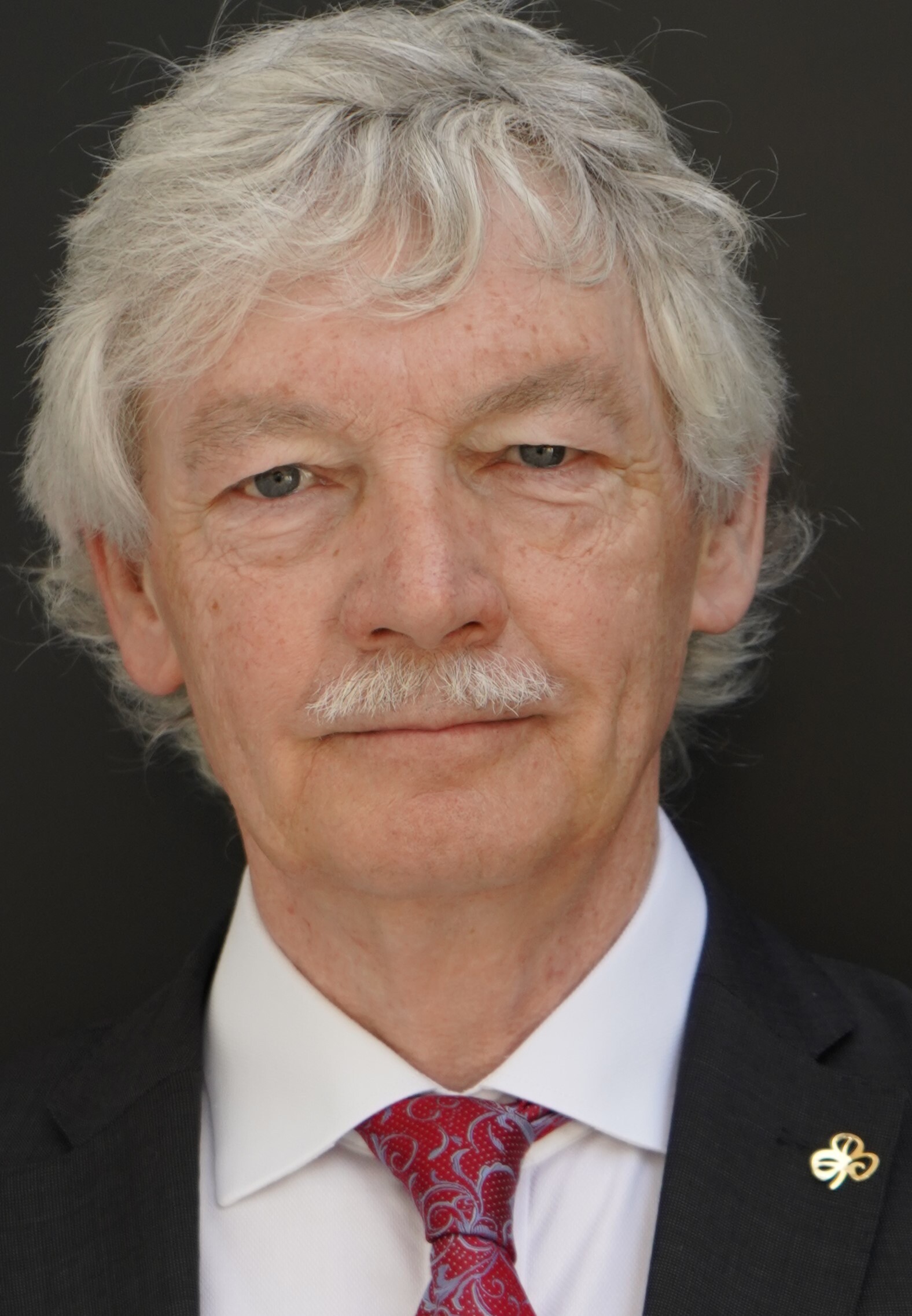
Workshop facilitators: Marina Odalovic, University of Belgrade, Martin C. Henman, Trinity Colleague Dublin
Background: Longitudinal study design represents scientific approach where the same cohort of participants is studied repeatedly over an extended period. It includes repeated measurements and data collection multiple times.The primary goal of longitudinal studies is to track changes changes and trends over time. Longitudinal studies can provide insights into potential causal relationships, and in the case of some specific approaches (i.e. interupted time series) causal relationships. During the couse participents will have opportunity to understand the theoretical background to data collection and different approaches in the modeling of repeated measurements, while moderator’s experience in conducting such type of studies will provide several case studies for discussion and which will illustrate the usefulness of the methods for pharmaceutical care and pharmacy practice research.
Aim: To gain insight into the different approaches in longitudinal study design and repeated measurements analysis, as well as in its’ applicability in pharmaceutical care research
- 12.30-13.30
Registration for the pre-symposium session/Lunch
- 13.30-13.40
Opening, Chair of the PCNE, Dr. Ivana Tadic, PhD, University of Innsbruck; Chair of the Pre-symposium, Katharina Richling, PharmD, Apothekerin, Doctor of Pharmacy (USA); Mag. pharm. Dr. Matthias König-Mitterhauser, Präsident, Österreichische Apothekerkammer – Landesgeschäftsstelle Tirol; - 13.40-14.40
Austria: Point-of-Care-Service, Delegationsgesetz für Krankenhausapotheker, Alexander Schmidt-Ilsinger, Stefan Deibl - 14.40-15.40
Germany: Medikationsanalyse, Positionspapier „Apotheke der Zukunft“, Katja Renner, Oliver Schwalbe (WIVA) - 15.40-16.10
Coffee-Break - 16.10-17.10
Switzerland: Prescribing Pharmacists”, Dienst „Neue Medikamente“, Dr. Stephen Jenkinson, Prof. Samuel Allemann - 17.10-18.00
Discussion
Titel: Österreich: Apotheken im Versorgungsnetz – Zwischen Screening, Abgabe und Gesetz POC-Services in der Offizin & Rezeptpflicht im ambulanten und stationären Bereich, Alexander Schmidt-Ilsinger, Stefan Deibl
Beschreibung des Vortrags: Apotheken nehmen eine zunehmend zentrale Rolle im Gesundheitssystem ein – zwischen gesetzlich geregelter Arzneimittelabgabe und innovativen Versorgungsleistungen wie Point-of-Care-Testing. Der Vortrag beleuchtet einerseits die neuen rechtlichen Rahmenbedingungen für patientennahe Schnelltests in der Offizin, wie sie seit der Apothekengesetz-Novelle 2024 gelten, und zeigt anhand aktueller Projekte, welche diagnostischen Parameter sinnvoll eingesetzt werden können. Andererseits wird auf die Rezeptpflicht im ambulanten Bereich, Ausnahmeregelungen bei Notfällen sowie die erweiterten Kompetenzen von Apotheker:innen im stationären Bereich gemäß § 36a AMG eingegangen. So entsteht ein Gesamtbild der Apotheke als interprofessioneller Knotenpunkt im Versorgungsnetz.
Kurzbeschreibung der Referenten:

Stefan Deibl
Stefan Deibl ist Apotheker und seit 2014 in der Österreichischen Apothekerkammer beschäftigt und leitet seit 2019 die Fort- und Weiterbildungsabteilung. Zu seinen Schwerpunkten zählen neben der kontinuierlichen Fortbildung auch neue Dienstleistungen in Apotheken.

Alexander Schmidt-Ilsinger
Alexander Schmidt-Ilsinger ist Apotheker und seit 2023 Referent in der Fort- und Weiterbildungsabteilung der Österreichischen Apothekerkammer. Seine Schwerpunkte liegen in der Klinischen Pharmazie und Point-of-Care-Diagnostik; er bringt praktische Erfahrung aus Offizin- und Krankenhausapotheke mit.
Titel: Deutschland: Wissenschaftliche Daten zur Implementierung der pharmazeutischen Dienstleistungen – Wie gelingt eine erfolgreiche Umsetzung und was können wir voneinander lernen?, Dr. Katja Renner and Dr. Oliver Schwalbe
Beschreibung des Vortrags: Die öffentliche Apotheke und das Berufsbild des Apothekers stehen aktuell an einem Wendepunkt – vom Distributeur hin zum Gesundheitscoach, mehr Heilberufler, mehr Entscheider, weniger Kaufmann? Das ist die Kardinalfrage, die die Zukunft der öffentlichen Apotheke entscheiden wird. Vieles davon findet sich auch im ABDA-Strategiepapier „In eine gesunde Zukunft mit der Apotheke“. In Wissenschaft und Forschung gibt es vielversprechende Untersuchungen, die die heilberufliche Wirksamkeit des Apothekers für das Arzneimittelmanagement und im Rahmen weiterer Gesundheitsleistungen für die Patienten belegen. Die erste Herausforderung besteht darin, wissenschaftliche Erkenntnisse in praktikable Konzepte und Dienstleistungen zu überführen und diese in Best Practise Projekten zu erproben. Weitaus schwieriger scheint es die politischen Entscheidungsträger in Verbänden und Gesellschaft von dem Benefit zu überzeugen und dann eine honorierte pharmazeutische Dienstleistung (pDL) zu schaffen. Und wenn dies gelungen ist, gilt es die Apothekenteams an der Basis in den öffentlichen Apotheken von der Implementierung zu überzeugen. Doch wie sieht es vor Ort aus? Hier liefert der sogenannte WIVA-Index Einblicke: In quartalsweisen Erhebungswellen (EW) über ein Jahr wurde pharmazeutisches Personal in öffentlichen Apotheken in Westfalen-Lippe zu den pDL befragt. In jeder EW wurde die pDL-Durchführung und der Grad der Normalisierung mit den globalen Fragen des German Normalisation Process Theory Measure erfasst. Zusätzlich wurden Faktoren wie z.B. Arbeitsbelastung und Arbeitszufriedenheit erfasst. Der Implementierungsstand bleibt im beobachteten Zeitraum konstant, 20% der pDL-durchführenden Teilnehmenden führen regelmäßig pDL durch. Der Grad an Normalisierung bleibt über den Zeitraum ebenfalls konstant. Ein stark hemmender Faktor ist die hohe Arbeitsbelastung, insbesondere unter den Apothekenleitungen. Eine hohe Arbeitszufriedenheit wirkt sich dagegen positiv auf die Implementierung aus.
Wie kann eine erfolgreiche Implementierung gelingen und was können wir im europäischen Austausch voneinander lernen?
Kurzbeschreibung der Referenten:

Dr. Katja Renner
Dr. Katja Renner ist Apothekerin in Heinsberg und promovierte 1999 an der Universität zu Köln. Sie ist als Referentin für die ABDA und Apothekerkammern aktiv, publiziert Fachbeiträge und engagiert sich insbesondere in den Bereichen AMTS, Medikationsmanagement und pharmazeutische Dienstleistungen. Zudem ist sie Mitglied in mehreren Fachgremien, leitet seit 2024 den Ausschuss für Zukunft und Innovation der AKNR und gehört dem Vorstand an.

Dr. Oliver Schwalbe
Dr. Oliver Schwalbe ist Abteilungsleiter Ausbildung, Fortbildung und Arzneimitteltherapiesicherheit bei der Apothekerkammer Westfalen-Lippe (AKWL). Seit 2020 ist er Geschäftsführer des Wissenschaftlichen Instituts der AKWL für Versorgungsforschung in der Apotheke. Daneben arbeitet er in der Engel-Apotheke Mettingen und hat einen Lehrauftrag an der Universität Münster für Evidenzbasierte Entscheidungsfindung.
Titel: Schweiz:Erweiterte Abgabekompetenz in der Apotheke: Chancen und Herausforderungen der rezeptfreien Abgabe verschreibungspflichtiger Arzneimittel, myCare Start: Sicherer Start in die Therapie, Dr. Stephen Jenkinson, Prof. Samuel Allemann
Beschreibung des Vortrags: Stärkung der Rolle von Apotheken in der ambulanten Versorgung: Zwei mögliche Ansätze
In der Schweiz gewinnen Apotheken als erste Anlaufstelle für gesundheitliche Anliegen zunehmend an Bedeutung. Zwei aktuelle Initiativen verdeutlichen das Potenzial pharmazeutischer Dienstleistungen zur Verbesserung von Zugang, Qualität und Effizienz in der Grundversorgung.
Stephen Jenkinson zeigt in seinem Beitrag auf, wie Apothekerinnen und Apotheker unter bestimmten Voraussetzungen rezeptpflichtige Arzneimittel ohne ärztliche Verschreibung abgeben dürfen. Diese erweiterte Kompetenz zielt darauf ab, den niederschwelligen Zugang zu häufig benötigten Medikamenten wie Schmerzmitteln, Mitteln gegen Atemwegsinfekte oder unkomplizierte Harnwegsinfekte zu erleichtern. Der Beitrag erläutert die rechtlichen und praktischen Rahmenbedingungen dieser Erstversorgung. Anhand konkreter Beratungssituationen wird veranschaulicht, wie Apothekenteams differenzierte Beurteilungen vornehmen und passende Behandlungsentscheide treffen.
Samuel Allemann stellt mit myCare Start eine strukturierte Dienstleistung vor, die Patient:innen beim Einstieg in eine neue Dauermedikation unterstützt. Hintergrund ist die ungenügende Therapietreue in den ersten Wochen nach Therapiebeginn welches ein zentrales Problem bei chronischen Erkrankungendarstellt. Die Dienstleistung wird bei der Erstabgabe angeboten, umfasst drei strukturierte Schritte und fördert das Verständnis und Management der Therapie. Nach erfolgreichen Vorstudien geht myCare Start 2025 in die Implementierungsphase über, begleitet von einer wissenschaftlichen Evaluation zur Kosteneffektivität.
Beide Ansätze zeigen exemplarisch, wie Apotheken mit niederschwelligen, qualitätsgesicherten Angeboten zentrale Versorgungsaufgaben übernehmen und zur nachhaltigen Entwicklung des Gesundheitssystems beitragen können.
Kurzbeschreibung der Referenten:

Dr. Stephen Jenkinson
Dr. Stephen Jenkinson ist Mitglied der Geschäftsleitung und Leiter Innovationen beim Schweizerischen Apothekerverband sowie Dozent an der Universität Bern. Seine Arbeit fokussiert sich auf die evidenzbasierte Weiterentwicklung pharmazeutischer Dienstleistungen, Versorgungsforschung und epidemiologische Fragestellungen in der Grundversorgung.

Prof. Samuel Allemann
Prof. Samuel Allemann ist klinischer Apotheker und Assistenzprofessor für Pharmaceutical Care an der Universität Basel. Er arbeitet mit seiner Forschungsgruppe an der Optimierung der Anwendung von Medikamenten, hauptsächlich im Bereich der personalisierten Pharmakotherapie und der interprofessionellen Zusammenarbeit.
For the PCNE 2026 Symposium, we also recommend booking accommodation at Rufis Hotel, as the University of Innsbruck has arranged special rates for this event. The hotel is available for our participants from February 16th to February 20th, 2026 (covering the duration of both the PCNE Symposium and the ESCP Spring Workshop for participants attending both events).

Prices are:
- Double/Twin room: € 82,50 per person/per day incl. breakfast
- Double room for single use: € 127,00 per person/per day incl. breakfast
City tax € 3,00 p.P/day
These prices will be active until January 16th! After this period, prices and availability cannot be guaranteed!
Reservations must be made by direct contact with the hotel (E-Mail: hotel@rufi.at; Phone:+43 512 9123 5550).
Cancellation and change policy for booking an accomodation in Rufis Hotel:
- Free reservation cancellation is up to 1 day, 12:00, before arrival.
- The same rules apply to reservation changes
- If a no-show, the hotel reserves the right to charge 100% of the total amount.
Other hotels near the conference venue (without special arranged prices):
The Joint Network Event (including dinner): PCNE and ESCP
A networking social event including dinner will take place on Wednesday, February 18th, at the Hotel Ruffis Restaurant.
This event will coincide with the spring workshop of the European Society of Clinical Pharmacy (ESCP), which will be held in Innsbruck, following the PCNE symposium. Attendees from both societies are invited to register for this joint event.
Please note that registration for PCNE symposium participants is included in their registration forms.

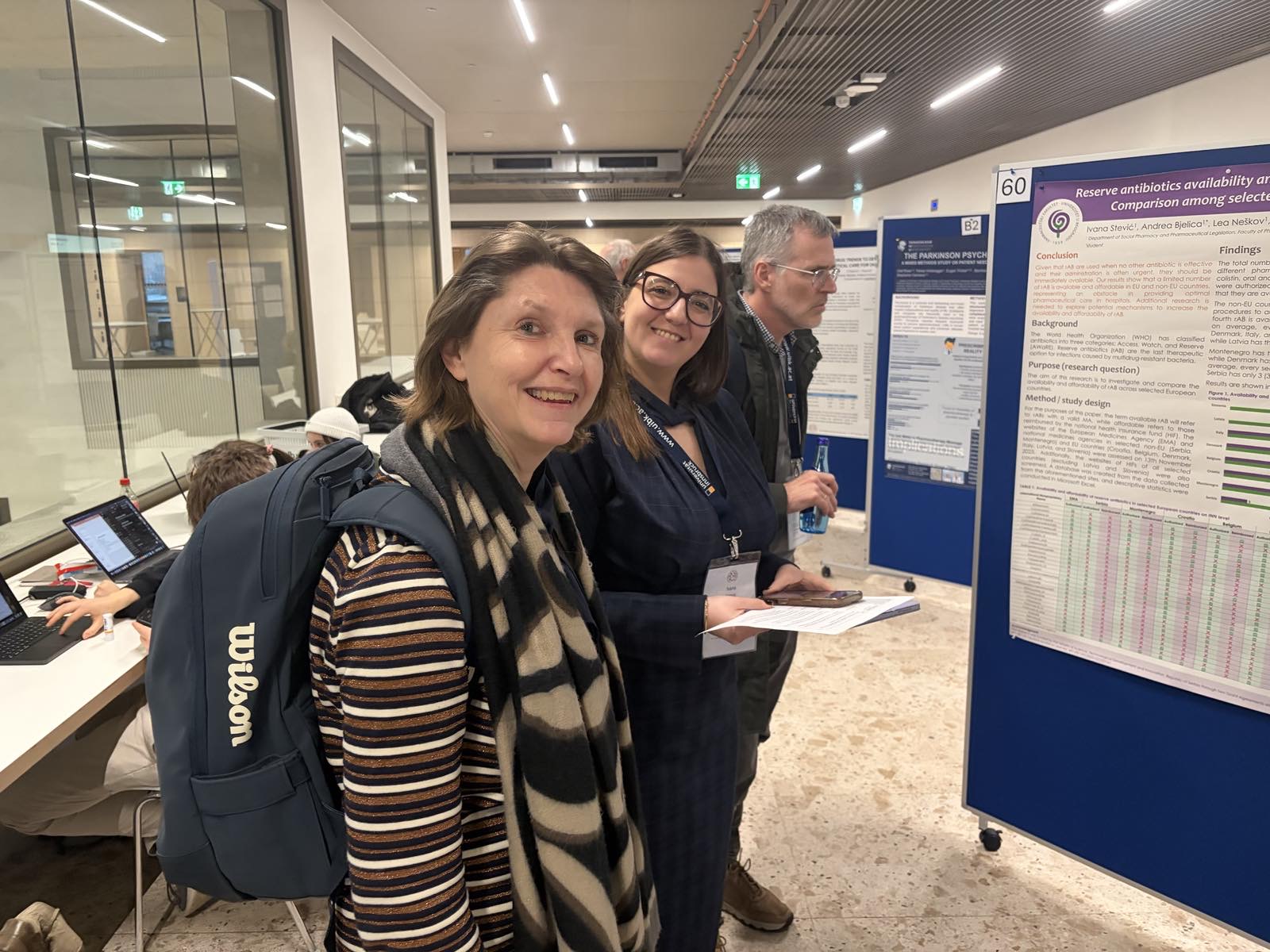
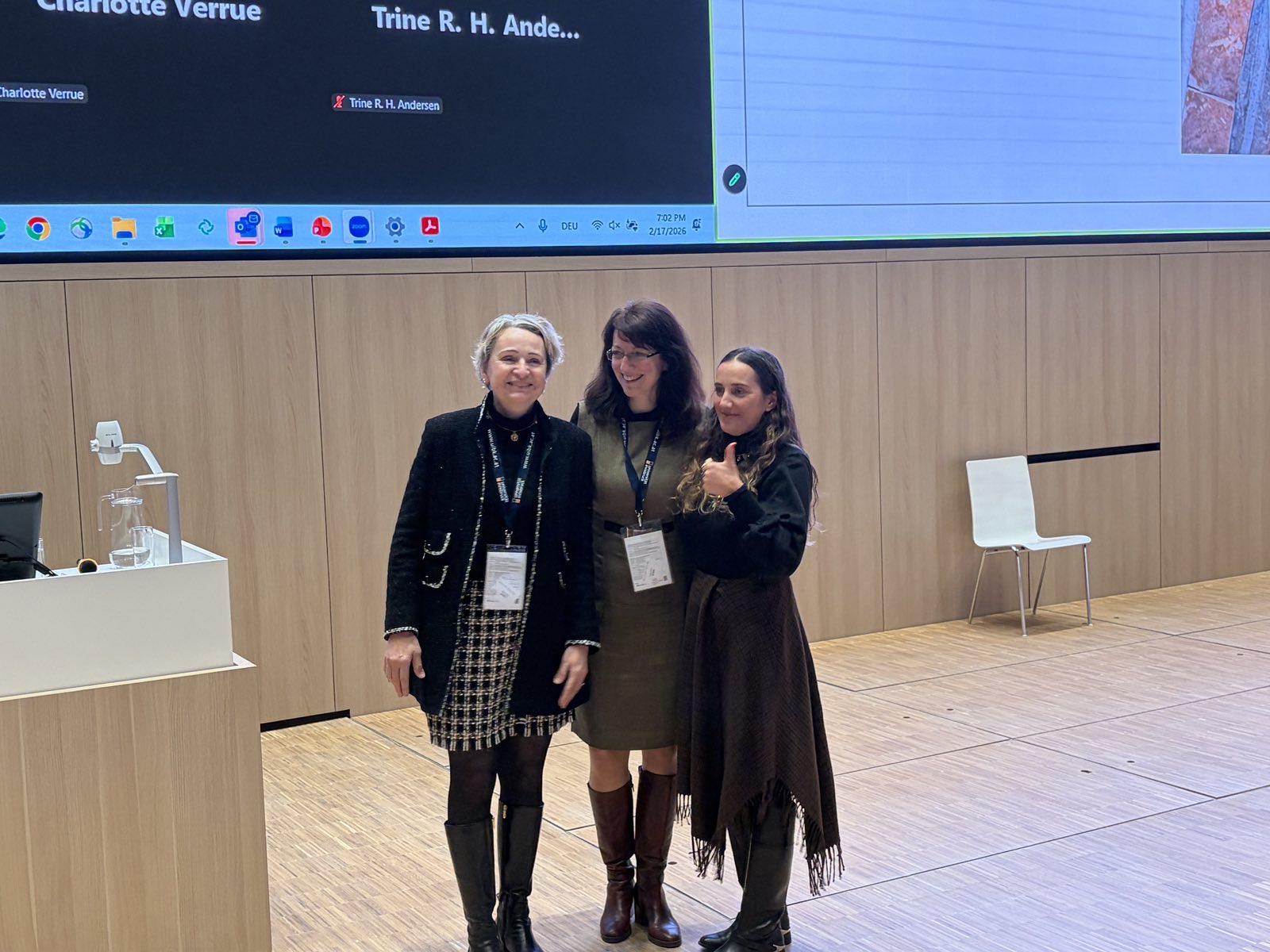
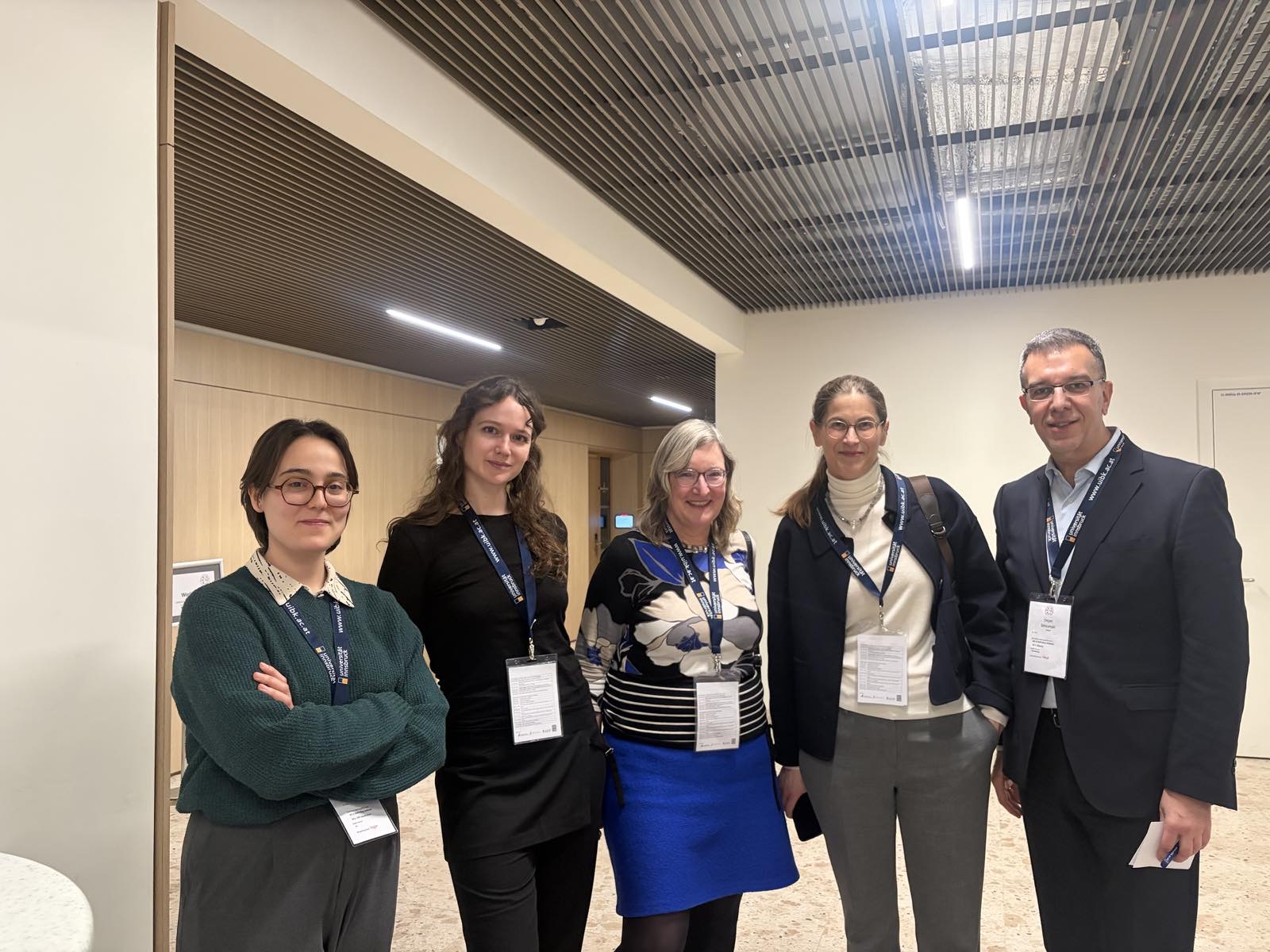
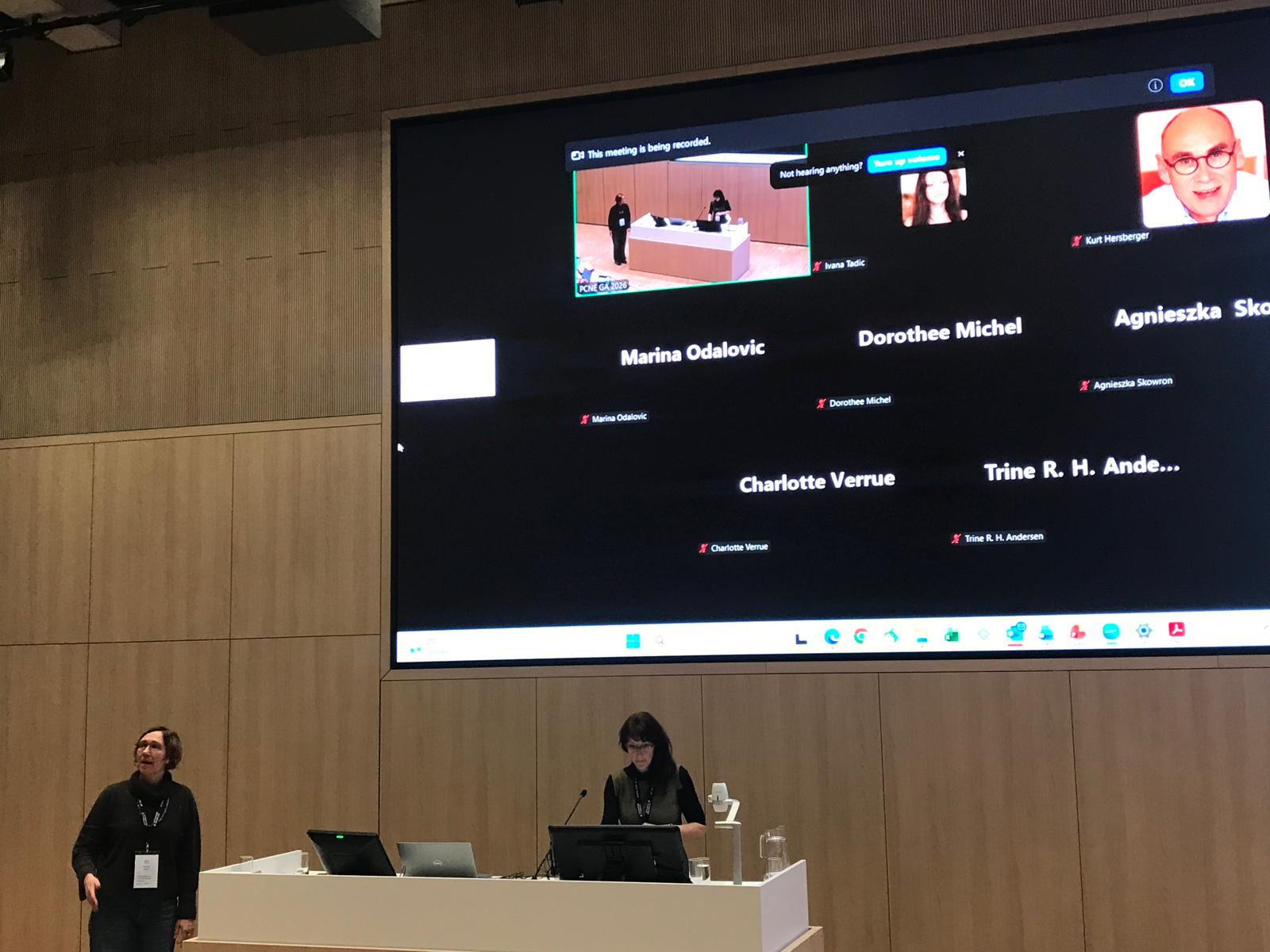

The 10th PCNE Working Symposium 2026 will take place in Innsbruck, Austria. The symposium will be held over 2 days:
- 17th February: Expert courses (in English) and Pre-symposium (in German) and the GA
- 18th February: The Working Symposium
Venue: The conference will take place at the Innrain University Campus Ágnes-Heller-Haus (Innrain 52a, 6020 Innsbruck)
SPONSORS OF THE SYMPOSIUM:
Sponsor of the pre-symposium in the German language:
Sponsor of the best oral presentation:
Sponsor of the best poster presentation:
Sponsor of the publishing symposium abstracts:
We extend our sincere thanks to the University of Innsbruck for the support in organizing the symposium:
Workshop facilitators: Ina Richling, Tommy Westerlund, Prof. Nejc Horvat, University of Ljubljana, Slovenia
Aims:
• To present and gather feedback on the proposed structure and content of PCNE Classification Version 10
• To begin drafting illustrative explanations and practical examples for selected codes, supporting their consistent interpretation and application
Workshop facilitators: Prof Liza Seubert, University of Western Australia, Julie Loveny, University of Western Australia, Prof Rhonda Clifford, University of Western Australia
Aim: This workshop aims to introduce participants to this innovative curriculum, which redefines resilience as a multidimensional construct. The program emphasizes the importance of building self-awareness and strong interpersonal connections as essential components of professional resilience.
Learning objectives: By the conclusion of the workshop, participants will have gained insights into evidence-based strategies that enhance both individual and collective resilience within the pharmacy profession and researchers. These strategies include emotional regulation, narrative reframing, and the establishment of supportive, psychologically safe work environments.
Workshop facilitators: Dr. Dorothee Michel, Markt Apotheke Eidelstedt, Hamburg, Germany, Robert Gordon University, Aberdeen, Scotland, Dr. Ayesha Iqbal, University of Alberta, Edmonton, Canada, Dorothee Dartsch, Markt-Apotheke Eidelstedt, Hamburg, Germany, Campus Pharmazie, Hamburg, Germany
Aim: This workshop aims to provide participants with a basic understanding of implementation science and equip them with the knowledge and skills to apply it in their own research projects.
Learning objectives: Through a combination of a short lecture and using the example of “Implementation of Medication Reviews in Community Pharmacies” for activities, participants will generate drafts for future studies to forward the field.
Workshop facilitators: João Pedro Gregório, Universidade Lusófona/CBIOS, Portugal, Melanie Maia, WHO Collaborating Centre on Health Workforce Policy and Planning, Global Health and Tropical Medicine, Universidade Nova de Lisboa. Portugal
Aim: This workshop aims to engage PCNE members in co-developing the structure and content of a new curricular unit focused on digital health and pharmacy practice.
Learning objectives: During the workshop session, participants will:
1. Identify and map key digital health competencies relevant to future pharmacists in relation to concrete learning outcomes.
2. Leverage PCNE members’ experience to ensure a research-informed and implementation-ready design.
3. Draft a shared framework for a modular unit adaptable across pharmacy programs.
Working group “Adherence” leaders: Dr Isabelle Arnet, Medinform AG, Zurich, Switzerland, Dr Christiane Eickhoff, ABDA, Berlin, Germany,
Prof Hanna Seidling, University Hospital Heidelberg, Germany
The expert course is no longer available! Instead, the moderators will organize a virtual meeting for the active members of the working group “Medication Adherence” and those who are working with the 15-STARS. The meeting will be held on Tuesday, 17 February from 16:30 to 18:00. If you are interested in attending, please contact the chairs of the working group, Christiane Eickhoff (c.eickhoff@abda.de) and Isabelle Arnet (isabelle.arnet@unibas.ch).
Workshop facilitators: Charlotte Rossing, Pharmakon Denmark; Susanne Kaae, University of Copenhagen
Background: A program in mentalizing has been developed for educated pharmacy staff in Denmark and in the Netherlands and later transformed in Sweden into training of pharmacy students.
Aim: In this workshop/ expert class we will introduce, practice and discuss core elements of mentalizing, for participants to explore if this counseling approach could be relevant also for pharmaceutical care in their national settings.
Workshop facilitators: Marina Odalovic, University of Belgrade, Martin C. Henman, Trinity Colleague Dublin
Background: Longitudinal study design represents scientific approach where the same cohort of participants is studied repeatedly over an extended period. It includes repeated measurements and data collection multiple times.The primary goal of longitudinal studies is to track changes changes and trends over time. Longitudinal studies can provide insights into potential causal relationships, and in the case of some specific approaches (i.e. interupted time series) causal relationships. During the couse participents will have opportunity to understand the theoretical background to data collection and different approaches in the modeling of repeated measurements, while moderator’s experience in conducting such type of studies will provide several case studies for discussion and which will illustrate the usefulness of the methods for pharmaceutical care and pharmacy practice research.
Aim: To gain insight into the different approaches in longitudinal study design and repeated measurements analysis, as well as in its’ applicability in pharmaceutical care research
- 12.30-13.30
Registration for the pre-symposium session/Lunch
- 13.30-13.40
Opening, Chair of the PCNE, Dr. Ivana Tadic, PhD, University of Innsbruck; Chair of the Pre-symposium, Katharina Richling, PharmD, Apothekerin, Doctor of Pharmacy (USA); Mag. pharm. Dr. Matthias König-Mitterhauser, Präsident, Österreichische Apothekerkammer – Landesgeschäftsstelle Tirol; - 13.40-14.40
Austria: Point-of-Care-Service, Delegationsgesetz für Krankenhausapotheker, Alexander Schmidt-Ilsinger, Stefan Deibl - 14.40-15.40
Germany: Medikationsanalyse, Positionspapier „Apotheke der Zukunft“, Katja Renner, Oliver Schwalbe (WIVA) - 15.40-16.10
Coffee-Break - 16.10-17.10
Switzerland: Prescribing Pharmacists”, Dienst „Neue Medikamente“, Dr. Stephen Jenkinson, Prof. Samuel Allemann - 17.10-18.00
Discussion
Titel: Österreich: Apotheken im Versorgungsnetz – Zwischen Screening, Abgabe und Gesetz POC-Services in der Offizin & Rezeptpflicht im ambulanten und stationären Bereich, Alexander Schmidt-Ilsinger, Stefan Deibl
Beschreibung des Vortrags: Apotheken nehmen eine zunehmend zentrale Rolle im Gesundheitssystem ein – zwischen gesetzlich geregelter Arzneimittelabgabe und innovativen Versorgungsleistungen wie Point-of-Care-Testing. Der Vortrag beleuchtet einerseits die neuen rechtlichen Rahmenbedingungen für patientennahe Schnelltests in der Offizin, wie sie seit der Apothekengesetz-Novelle 2024 gelten, und zeigt anhand aktueller Projekte, welche diagnostischen Parameter sinnvoll eingesetzt werden können. Andererseits wird auf die Rezeptpflicht im ambulanten Bereich, Ausnahmeregelungen bei Notfällen sowie die erweiterten Kompetenzen von Apotheker:innen im stationären Bereich gemäß § 36a AMG eingegangen. So entsteht ein Gesamtbild der Apotheke als interprofessioneller Knotenpunkt im Versorgungsnetz.
Kurzbeschreibung der Referenten:
Stefan Deibl
Stefan Deibl ist Apotheker und seit 2014 in der Österreichischen Apothekerkammer beschäftigt und leitet seit 2019 die Fort- und Weiterbildungsabteilung. Zu seinen Schwerpunkten zählen neben der kontinuierlichen Fortbildung auch neue Dienstleistungen in Apotheken.
Alexander Schmidt-Ilsinger
Alexander Schmidt-Ilsinger ist Apotheker und seit 2023 Referent in der Fort- und Weiterbildungsabteilung der Österreichischen Apothekerkammer. Seine Schwerpunkte liegen in der Klinischen Pharmazie und Point-of-Care-Diagnostik; er bringt praktische Erfahrung aus Offizin- und Krankenhausapotheke mit.
Titel: Deutschland: Wissenschaftliche Daten zur Implementierung der pharmazeutischen Dienstleistungen – Wie gelingt eine erfolgreiche Umsetzung und was können wir voneinander lernen?, Dr. Katja Renner and Dr. Oliver Schwalbe
Beschreibung des Vortrags: Die öffentliche Apotheke und das Berufsbild des Apothekers stehen aktuell an einem Wendepunkt – vom Distributeur hin zum Gesundheitscoach, mehr Heilberufler, mehr Entscheider, weniger Kaufmann? Das ist die Kardinalfrage, die die Zukunft der öffentlichen Apotheke entscheiden wird. Vieles davon findet sich auch im ABDA-Strategiepapier „In eine gesunde Zukunft mit der Apotheke“. In Wissenschaft und Forschung gibt es vielversprechende Untersuchungen, die die heilberufliche Wirksamkeit des Apothekers für das Arzneimittelmanagement und im Rahmen weiterer Gesundheitsleistungen für die Patienten belegen. Die erste Herausforderung besteht darin, wissenschaftliche Erkenntnisse in praktikable Konzepte und Dienstleistungen zu überführen und diese in Best Practise Projekten zu erproben. Weitaus schwieriger scheint es die politischen Entscheidungsträger in Verbänden und Gesellschaft von dem Benefit zu überzeugen und dann eine honorierte pharmazeutische Dienstleistung (pDL) zu schaffen. Und wenn dies gelungen ist, gilt es die Apothekenteams an der Basis in den öffentlichen Apotheken von der Implementierung zu überzeugen. Doch wie sieht es vor Ort aus? Hier liefert der sogenannte WIVA-Index Einblicke: In quartalsweisen Erhebungswellen (EW) über ein Jahr wurde pharmazeutisches Personal in öffentlichen Apotheken in Westfalen-Lippe zu den pDL befragt. In jeder EW wurde die pDL-Durchführung und der Grad der Normalisierung mit den globalen Fragen des German Normalisation Process Theory Measure erfasst. Zusätzlich wurden Faktoren wie z.B. Arbeitsbelastung und Arbeitszufriedenheit erfasst. Der Implementierungsstand bleibt im beobachteten Zeitraum konstant, 20% der pDL-durchführenden Teilnehmenden führen regelmäßig pDL durch. Der Grad an Normalisierung bleibt über den Zeitraum ebenfalls konstant. Ein stark hemmender Faktor ist die hohe Arbeitsbelastung, insbesondere unter den Apothekenleitungen. Eine hohe Arbeitszufriedenheit wirkt sich dagegen positiv auf die Implementierung aus.
Wie kann eine erfolgreiche Implementierung gelingen und was können wir im europäischen Austausch voneinander lernen?
Kurzbeschreibung der Referenten:
Dr. Katja Renner
Dr. Katja Renner ist Apothekerin in Heinsberg und promovierte 1999 an der Universität zu Köln. Sie ist als Referentin für die ABDA und Apothekerkammern aktiv, publiziert Fachbeiträge und engagiert sich insbesondere in den Bereichen AMTS, Medikationsmanagement und pharmazeutische Dienstleistungen. Zudem ist sie Mitglied in mehreren Fachgremien, leitet seit 2024 den Ausschuss für Zukunft und Innovation der AKNR und gehört dem Vorstand an.
Dr. Oliver Schwalbe
Dr. Oliver Schwalbe ist Abteilungsleiter Ausbildung, Fortbildung und Arzneimitteltherapiesicherheit bei der Apothekerkammer Westfalen-Lippe (AKWL). Seit 2020 ist er Geschäftsführer des Wissenschaftlichen Instituts der AKWL für Versorgungsforschung in der Apotheke. Daneben arbeitet er in der Engel-Apotheke Mettingen und hat einen Lehrauftrag an der Universität Münster für Evidenzbasierte Entscheidungsfindung.
Titel: Schweiz:Erweiterte Abgabekompetenz in der Apotheke: Chancen und Herausforderungen der rezeptfreien Abgabe verschreibungspflichtiger Arzneimittel, myCare Start: Sicherer Start in die Therapie, Dr. Stephen Jenkinson, Prof. Samuel Allemann
Beschreibung des Vortrags: Stärkung der Rolle von Apotheken in der ambulanten Versorgung: Zwei mögliche Ansätze
In der Schweiz gewinnen Apotheken als erste Anlaufstelle für gesundheitliche Anliegen zunehmend an Bedeutung. Zwei aktuelle Initiativen verdeutlichen das Potenzial pharmazeutischer Dienstleistungen zur Verbesserung von Zugang, Qualität und Effizienz in der Grundversorgung.
Stephen Jenkinson zeigt in seinem Beitrag auf, wie Apothekerinnen und Apotheker unter bestimmten Voraussetzungen rezeptpflichtige Arzneimittel ohne ärztliche Verschreibung abgeben dürfen. Diese erweiterte Kompetenz zielt darauf ab, den niederschwelligen Zugang zu häufig benötigten Medikamenten wie Schmerzmitteln, Mitteln gegen Atemwegsinfekte oder unkomplizierte Harnwegsinfekte zu erleichtern. Der Beitrag erläutert die rechtlichen und praktischen Rahmenbedingungen dieser Erstversorgung. Anhand konkreter Beratungssituationen wird veranschaulicht, wie Apothekenteams differenzierte Beurteilungen vornehmen und passende Behandlungsentscheide treffen.
Samuel Allemann stellt mit myCare Start eine strukturierte Dienstleistung vor, die Patient:innen beim Einstieg in eine neue Dauermedikation unterstützt. Hintergrund ist die ungenügende Therapietreue in den ersten Wochen nach Therapiebeginn welches ein zentrales Problem bei chronischen Erkrankungendarstellt. Die Dienstleistung wird bei der Erstabgabe angeboten, umfasst drei strukturierte Schritte und fördert das Verständnis und Management der Therapie. Nach erfolgreichen Vorstudien geht myCare Start 2025 in die Implementierungsphase über, begleitet von einer wissenschaftlichen Evaluation zur Kosteneffektivität.
Beide Ansätze zeigen exemplarisch, wie Apotheken mit niederschwelligen, qualitätsgesicherten Angeboten zentrale Versorgungsaufgaben übernehmen und zur nachhaltigen Entwicklung des Gesundheitssystems beitragen können.
Kurzbeschreibung der Referenten:
Dr. Stephen Jenkinson
Dr. Stephen Jenkinson ist Mitglied der Geschäftsleitung und Leiter Innovationen beim Schweizerischen Apothekerverband sowie Dozent an der Universität Bern. Seine Arbeit fokussiert sich auf die evidenzbasierte Weiterentwicklung pharmazeutischer Dienstleistungen, Versorgungsforschung und epidemiologische Fragestellungen in der Grundversorgung.
Prof. Samuel Allemann
Prof. Samuel Allemann ist klinischer Apotheker und Assistenzprofessor für Pharmaceutical Care an der Universität Basel. Er arbeitet mit seiner Forschungsgruppe an der Optimierung der Anwendung von Medikamenten, hauptsächlich im Bereich der personalisierten Pharmakotherapie und der interprofessionellen Zusammenarbeit.
For the PCNE 2026 Symposium, we also recommend booking accommodation at Rufis Hotel, as the University of Innsbruck has arranged special rates for this event. The hotel is available for our participants from February 16th to February 20th, 2026 (covering the duration of both the PCNE Symposium and the ESCP Spring Workshop for participants attending both events).
Prices are:
- Double/Twin room: € 82,50 per person/per day incl. breakfast
- Double room for single use: € 127,00 per person/per day incl. breakfast
City tax € 3,00 p.P/day
These prices will be active until January 16th! After this period, prices and availability cannot be guaranteed!
Reservations must be made by direct contact with the hotel (E-Mail: hotel@rufi.at; Phone:+43 512 9123 5550).
Cancellation and change policy for booking an accomodation in Rufis Hotel:
- Free reservation cancellation is up to 1 day, 12:00, before arrival.
- The same rules apply to reservation changes
- If a no-show, the hotel reserves the right to charge 100% of the total amount.
Other hotels near the conference venue (without special arranged prices):
Early bird: open from 1st of October until 1st February 2026
Standard: from 2nd of February until 10th February 2026

The registration forms are available below. These forms include registration for the networking event, which includes dinner. If you register for the networking event here, please do not register again in the next box, as they refer to the same event.
Please note:
- The number of participants for the network event is limited, and registration will be available until all spots are filled.
- You will first receive an email with a provisional confirmation of your registration.
- Once payment has been received, we will send you a binding confirmation of registration by email.
- If you need an invoice for payment in PDF format, please contact the PCNE secretary directly at info@pcne.org
- If you need a collective invoice for all registrations you made, please contact the PCNE secretary directly at info@pcne.org
The Joint Network Event (including dinner): PCNE and ESCP
A networking social event including dinner will take place on Wednesday, February 18th, at the Hotel Ruffis Restaurant.
This event will coincide with the spring workshop of the European Society of Clinical Pharmacy (ESCP), which will be held in Innsbruck, following the PCNE symposium. Attendees from both societies are invited to register for this joint event.
Please note that registration for PCNE symposium participants is included in their registration forms. If you plan to attend only this networking event, you can register here.
The number of participants for the network event is limited, and registration will be available until all spots are filled.
If you need an invoice for payment in PDF format, please contact the PCNE secretary directly at info@pcne.org